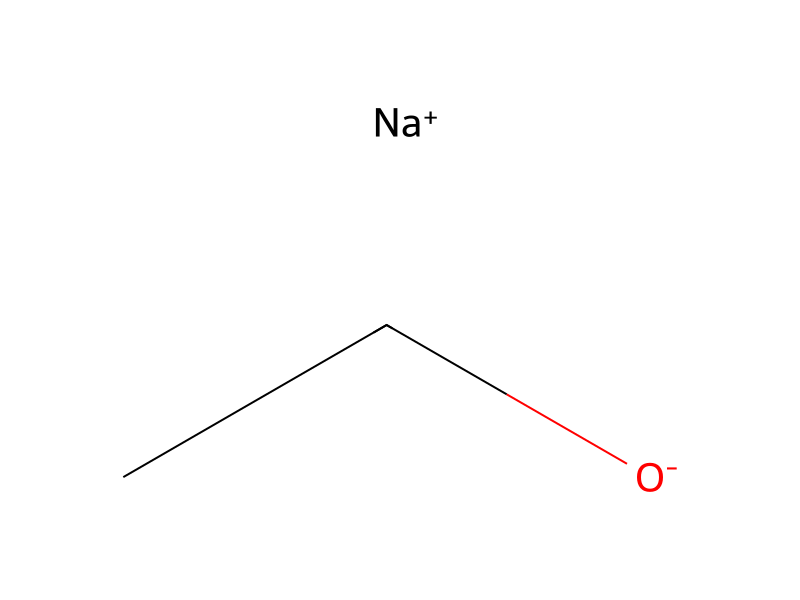
[N:1]([C:4]1[CH:21]=[CH:20][C:7]([C:8]([NH:10][CH2:11][CH2:12][N:13]2[CH2:18][CH2:17][N:16]([CH3:19])[CH2:15][CH2:14]2)=[O:9])=[CH:6][CH:5]=1)=[N+:2]=[N-:3].O=[C:23]([CH2:30][CH2:31][CH3:32])[CH2:24][C:25]([O:27]CC)=[O:26].[O-]CC.[Na+].Cl>C(O)C>[CH3:19][N:16]1[CH2:17][CH2:18][N:13]([CH2:12][CH2:11][NH:10][C:8]([C:7]2[CH:6]=[CH:5][C:4]([N:1]3[C:23]([CH2:30][CH2:31][CH3:32])=[C:24]([C:25]([OH:27])=[O:26])[N:3]=[N:2]3)=[CH:21][CH:20]=2)=[O:9])[CH2:14][CH2:15]14-Azido-N-[2-(4-methylpiperazin-1-yl)ethyl]benzamide obtained in Example 63b) and ethyl 3-oxohexanoate (0.503 ml, 2.99 mmol, 1.25 eq.) were dissolved in ethanol (15 ml), sodium ethoxide (226 mg, 2.99 mmol, 1.25 eq.) was added, and the mixture was stirred at room temperature for 30 min and at 60° C. for 10.5 hr. 1N hydrochloric acid (3.0 ml) was added to the reaction mixture, and the mixture was concentrated. The residue was diluted with acetonitrile (20 ml) and ethanol (40 ml), and the mixture was concentrated. Ethanol (15 ml), THF (20 ml) and ethyl acetate (20 ml) were added to the residue. The precipitate was collected by filtration, washed with ethyl acetate and dried to give the title compound as a pale-brown powder (purity 90%, containing sodium chloride, 1.04 g, 2.33 mmol, 98.2%).