反応式

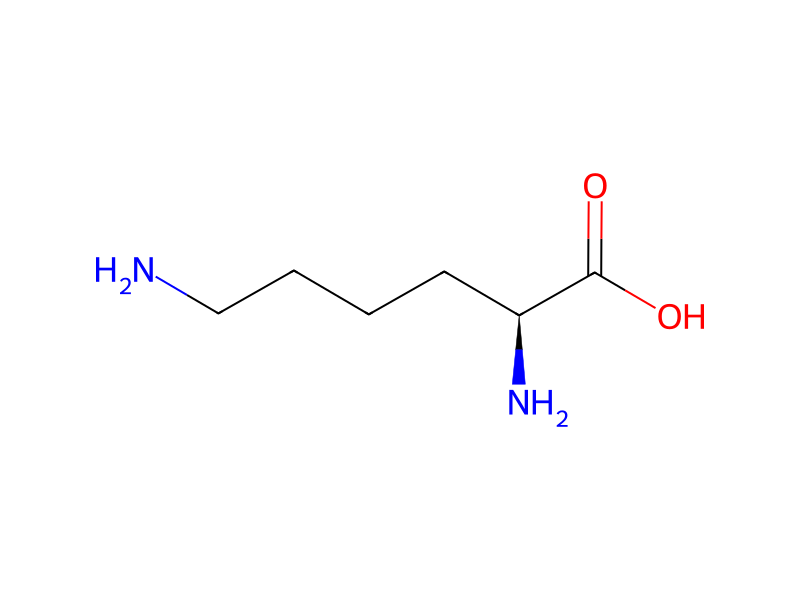
[Cl:1][C:2]1[C:12]([Cl:13])=[C:11]([C:14]([C:16]2[S:17][CH:18]=[CH:19][CH:20]=2)=[O:15])[CH:10]=[CH:9][C:3]=1[O:4][CH2:5][C:6]([OH:8])=[O:7].[NH2:21][C@H:22]([C:28]([OH:30])=[O:29])[CH2:23][CH2:24][CH2:25][CH2:26][NH2:27]>C(O)C.O>[Cl:1][C:2]1[C:12]([Cl:13])=[C:11]([C:14]([C:16]2[S:17][CH:18]=[CH:19][CH:20]=2)=[O:15])[CH:10]=[CH:9][C:3]=1[O:4][CH2:5][C:6]([OH:8])=[O:7].[NH2:21][C@H:22]([C:28]([OH:30])=[O:29])[CH2:23][CH2:24][CH2:25][CH2:26][NH2:27]参加物
5




実験手順
33.1 g 2,3-dichloro-4-(2-thienylcarbonyl)-phenoxyacetic acid and 150 ml ethanol were added at about 40° C. to a solution of 14.6 g of L (-)-lysine in 200 ml anhydrous ethanol. Using the method of Example 1, there was precipitated a salt with melting point 226° C. Again the infra-red spectrum showed than addition salt was formed. A solution of 2.5 g product salt in 100 ml water had a pH of 6.2.
後処理
- customwas precipitated a salt with melting point 226° C
- additionAgain the infra-red spectrum showed than addition salt
- customwas formed
出典と根拠
- ORDレコード
- ord-72dc52542eec4efa8a9568dd0698a6ad
- 出典データセット
- uspto-grants-1980_12
- 特許番号
- US04239771
関連ノート
読み込み中…