Acetaldehyde → HCID 20043106、化合物
HRID 1762279
反応式

Cl.[CH:2](=[O:4])[CH3:3].[CH2:5]([CH:7]1[O:11][C:10](=[O:12])[NH:9][CH2:8]1)[CH3:6].C[O-].[Na+].[CH2:16](O)[CH3:17]>>[CH2:2]([O:4][CH:16]([N:9]1[CH2:8][CH:7]([CH2:5][CH3:6])[O:11][C:10]1=[O:12])[CH3:17])[CH3:3]参加物
6
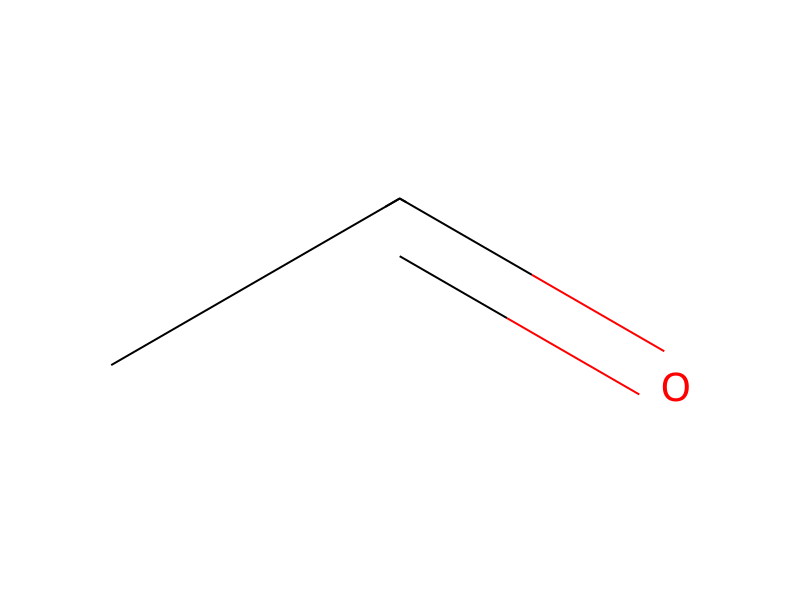





実験手順
In a three-necked flask equipped with a mechanical stirrer and reflux condenser, ethanol is acidified to a pH of 0.5-1.5 with 8 percent methanolic HCl. To the cooled alcohol is added acetaldehyde. The addition is so conducted that the temperature of the mixture stays under 40° C. The solution is stirred at room temperature for 2 hours after the completion of addition. The mole ratio of alcohol to acetaldehyde is about 1.5:1. 5-Ethyl-2-oxazolidinone (mole ratio of acetaldehyde to 2-oxazolidinone is 3:1) is added dropwise to the solution. The mixture is then stirred for 24 hours at 45° C. The mixture is then neutralized to a pH of 6.5-8 with a solution of sodium methoxide. After removing the unconsumed hemiacetal and alcohol under vacuum, the liquid 3-(1-ethoxyethyl)-5-ethyl-2-oxazolidinone is obtained.