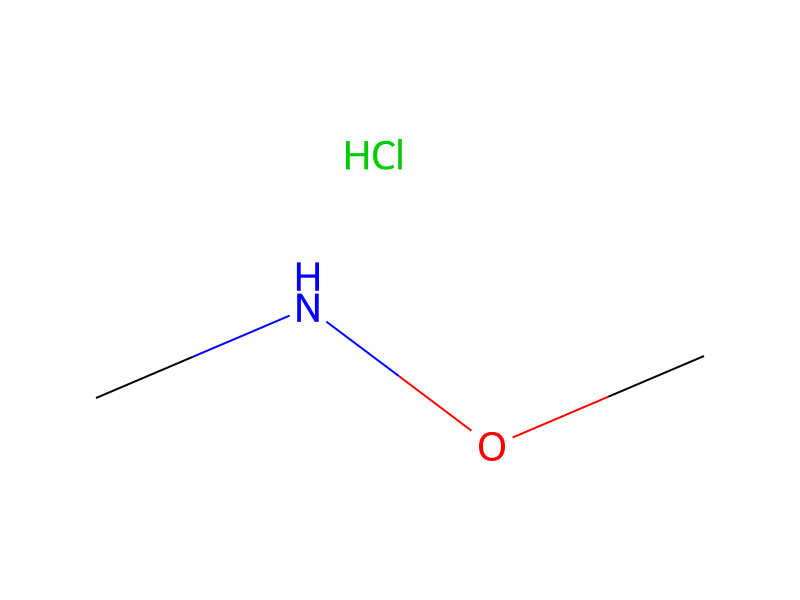
Into a 1-L round-bottom flask, was placed a solution of 4-amino-3-bromobenzoic acid (50 g, 231.45 mmol, 1.00 equip) in N,N-dimethylformamide (500 mL), TEA (128 mL, 4.00 equip), HATU (106 g, 278.78 mmol, 1.20 equip), and methoxy(methyl)amine hydrochloride (45 g, 461.33 mmol, 2.00 equip). The resulting solution was stirred overnight at room temperature. The resulting solution was diluted with water (1 L). The resulting solution was extracted with ethyl acetate (1 L) and the organic layers combined and dried over anhydrous sodium sulfate. The solids were filtered out. The resulting mixture was concentrated under vacuum. The residue was applied onto a silica gel column with ethyl acetate/petroleum ether (1:2) to yield 4-amino-3-bromo-N-methoxy-N-methylbenzamide as a yellow solid. LCMS (ES, m/z) 259 [M+H]+