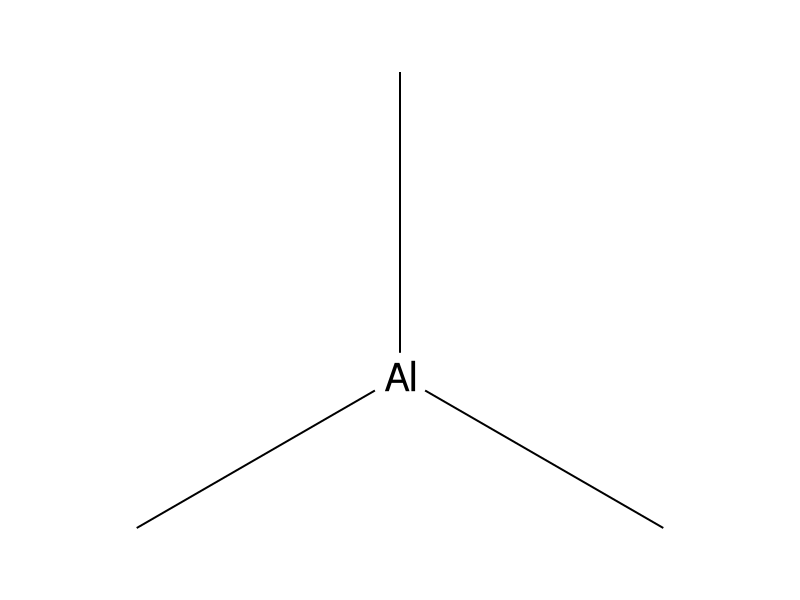
46.46 g of ammonium chloride (868.5 mol) are suspended in 650 ml of toluene, and the mixture is cooled to 0-5° C. Trimethylaluminum is added dropwise as a 2M solution in hexane (445 ml, 888.3 mmol), and the mixture is then stirred at room temperature until the evolution of gas has ceased. 5-Benzyloxy-2-ethoxybenzonitrile (100 g, 394.8 mmol) (example 32A) is added, and the mixture is stirred at 80° C. overnight. The cooled reaction mixture is, with ice-cooling, added to a suspension of 200 g of silica gel and 2 l of dichloromethane, and the mixture is stirred for 30 min. The mixture is filtered off with suction and the filter cake is washed with methanol. The organic phases are combined and concentrated. The resulting residue is triturated using a mixture of dichloromethane/methanol 9:1, filtered and concentrated using a rotary evaporator. The residue is then triturated with ether, and the colorless solid is filtered off with suction.