反応式

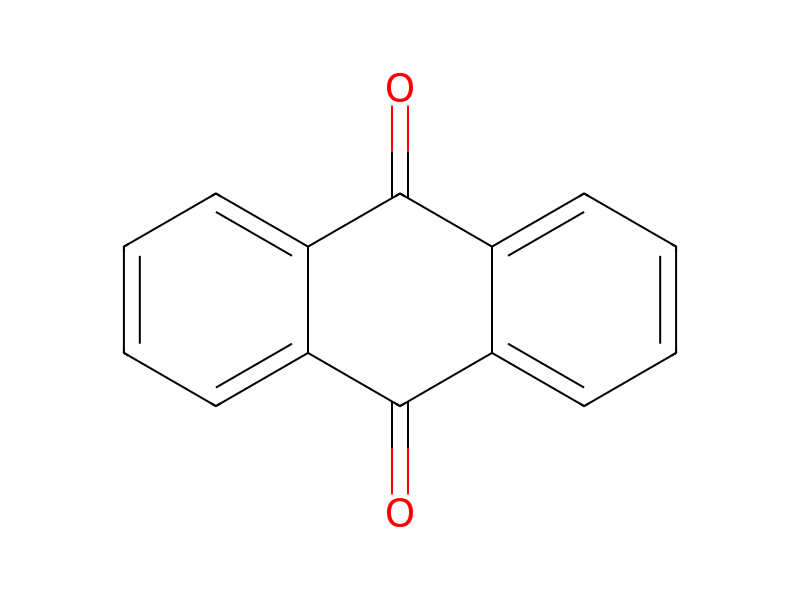
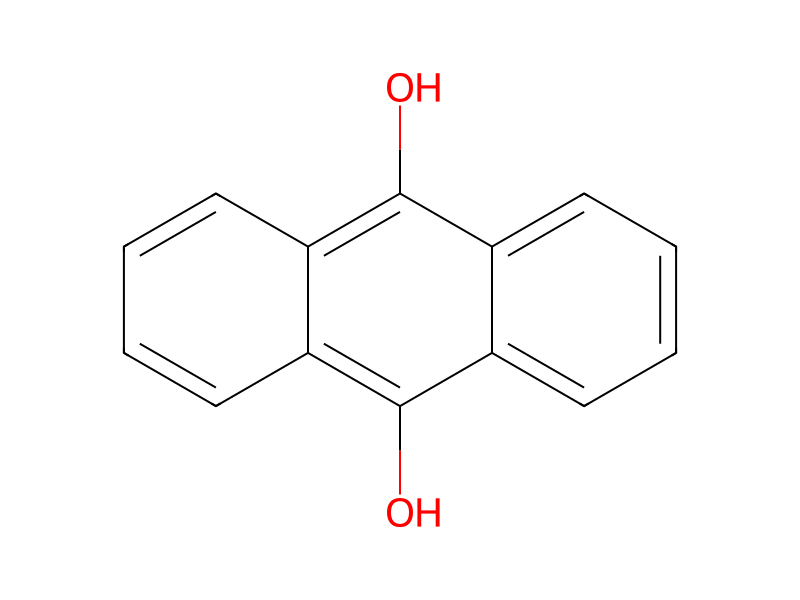
OO.[H][H].[CH:5]1[C:18]2[C:17](=[O:19])[C:16]3[C:11](=[CH:12][CH:13]=[CH:14][CH:15]=3)[C:10](=[O:20])[C:9]=2[CH:8]=[CH:7][CH:6]=1>>[CH:14]1[CH:15]=[C:16]2[C:17]([OH:19])=[C:18]3[C:9](=[C:10]([OH:20])[C:11]2=[CH:12][CH:13]=1)[CH:8]=[CH:7][CH:6]=[CH:5]3参加物


実験手順
An anthraquinone process is known as an industrial hydrogen peroxide production process. In this process, an anthraquinone compound is dissolved in an organic solvent to obtain a working solution, and in a hydrogenation step the anthraquinone compound is reduced with hydrogen in the presence of a hydrogenation catalyst so as to produce an anthrahydroquinone compound. Next, in an oxidation step the anthrahydroquinone compound is converted back into the anthraquinone compound, with hydrogen peroxide being produced at the same time. The hydrogen peroxide in the working solution is separated out from the working solution by a process such as water extraction. The working solution from which the hydrogen peroxide has been extracted is returned into the hydrogenation step, whereby a cyclic process is formed.
後処理
- customto obtain a working solution
出典と根拠
- ORDレコード
- ord-74e722e55db0447cb50990d27e957b1d
- 出典データセット
- uspto-grants-2009_10
- 特許番号
- US07601323B2
関連ノート
読み込み中…