反応式

[C:1]1([CH:9]=[C:7]([OH:8])[CH:6]=[C:4](O)[CH:3]=1)O.CC(C1C=CC(O)=CC=1)([CH2:22][C:23]([CH3:32])([C:25]1[CH:30]=[CH:29][C:28]([OH:31])=[CH:27][CH:26]=1)[CH3:24])CC(C1C=CC(O)=CC=1)C.OC1[CH:46]=[CH:45][C:44]([C:47]2[CH:52]=C(C3C=CC(O)=CC=3)C=C(C3C=CC(O)=CC=3)[CH:48]=2)=[CH:43][CH:42]=1.OC1C=CC(C(C2C=CC(O)=CC=2)(C2C=CC(O)=CC=2)C)=CC=1.C1(O)C=CC=CC=1.OC1C=CC(C)=CC=1CC1C=C(C)C=C(CC2C=C(C)C=CC=2O)C=1O.OC1C=C(O)C=CC=1C(O)=O.OC1C=CC(C(C2C=CC(O)=CC=2O)(C)C)=CC=1>>[OH:31][C:28]1[CH:27]=[CH:26][C:25]([C:23]([C:22]2[CH:46]=[CH:45][C:44]([C:47]([C:3]3[CH:4]=[CH:6][C:7]([OH:8])=[CH:9][CH:1]=3)([CH3:52])[CH3:48])=[CH:43][CH:42]=2)([CH3:32])[CH3:24])=[CH:30][CH:29]=1参加物
反応物 8
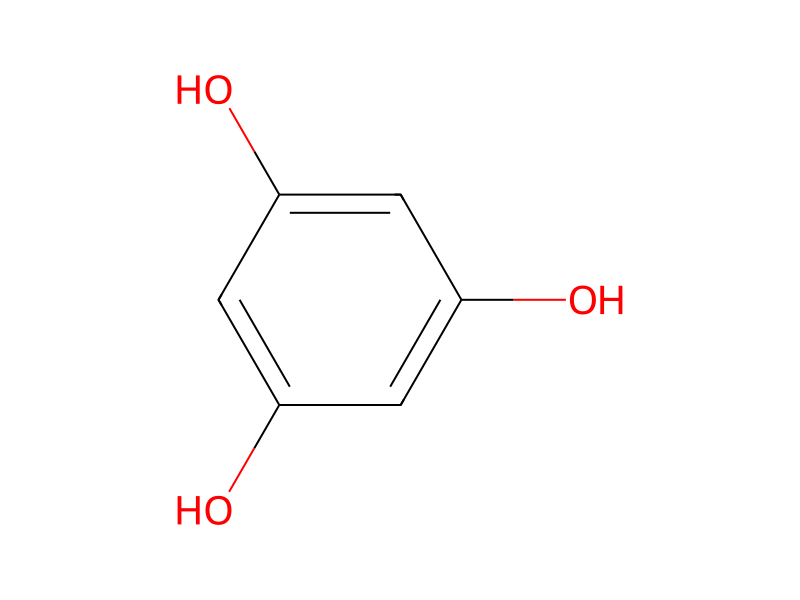 HCID 359Phloroglucinol
 HCID 996Phenol
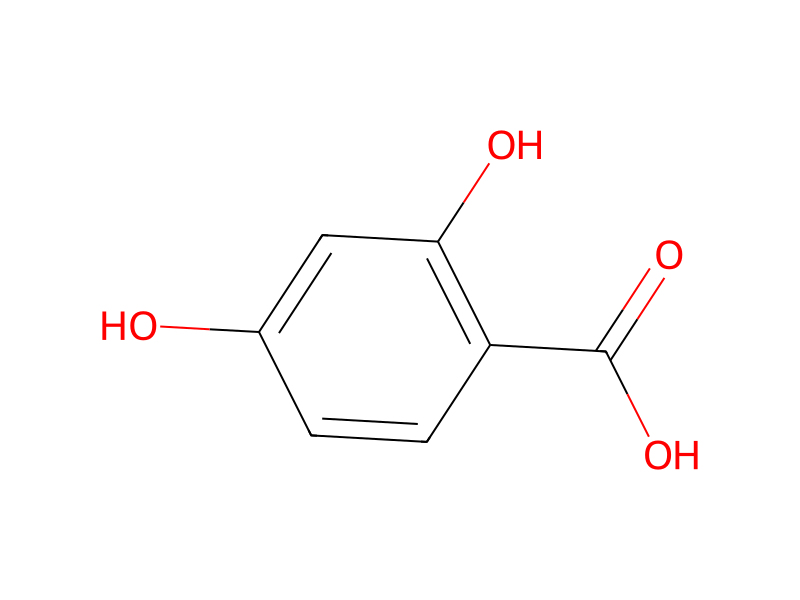 HCID 14912,4-Dihydroxybenzoic Acid
 HCID 741812,6-Bis((2-hydroxy-5-methylphenyl)methyl)-4-methylphenol
 HCID 931181,1,1-Tris(4-hydroxyphenyl)ethane
 HCID 3481481,3,5-Tris(4-hydroxyphenyl)benzene
 HCID 218855202-(4-Hydroxyphenyl)-2-(2,4-dihydroxyphenyl)-propane
 HCID 218944334,6-Dimethyl-2,4,6-tri-(4-hydroxyphenyl)-heptane
生成物 1

実験手順
The polycarbonates may be branched by the incorporation of small quantities of polyhydroxy compounds, e.g. from 0.05 to 2.0 mol % thereof, (based on the quantity of bis-phenols used). Polycarbonates of this kind have been described, for example, in German Offenlegungsschriften No. 1,570,533, No. 2,116,974 and No. 2,113,347, in British patent specifications No. 885,442 and No. 1,079,821 and in U.S. Pat. No. 3,544,514. Suitable polyhydroxy compounds include, for example, phloroglucinol, 4,6-dimethyl-2,4,6-tri-(4-hydroxyphenyl)-heptane, 1,3,5-tri-(4-hydroxyphenyl)-benzene, 1,1,1-tri-(4-hydroxyphenyl)-ethane, tri-(4-hydroxphenyl)phenylmethane, 2,2-bis-[4,4-(4,4'-di-hydroxydiphenyl)-cyclohexy]-propane, 2,4-bis-)4-hydroxyphenyl-4-isopropyl)-phenol, 2,6-bis-(2'-hydroxy-5'-methyl-benzyl)-4-methyl-phenol, 2,4-dihydroxybenzoic acid, 2-(4-hydroxyphenyl)-2-(2,4-dihydroxyphenyl)-propane and 1,4-bis-(4', 4"-dihydroxy-triphenyl-methyl)-benzene.
出典と根拠
- ORDレコード
- ord-b5d7bc98f0ba4b36978e3125c9fc0714
- 出典データセット
- uspto-grants-1980_08
- 特許番号
- US04218545
関連ノート
読み込み中…