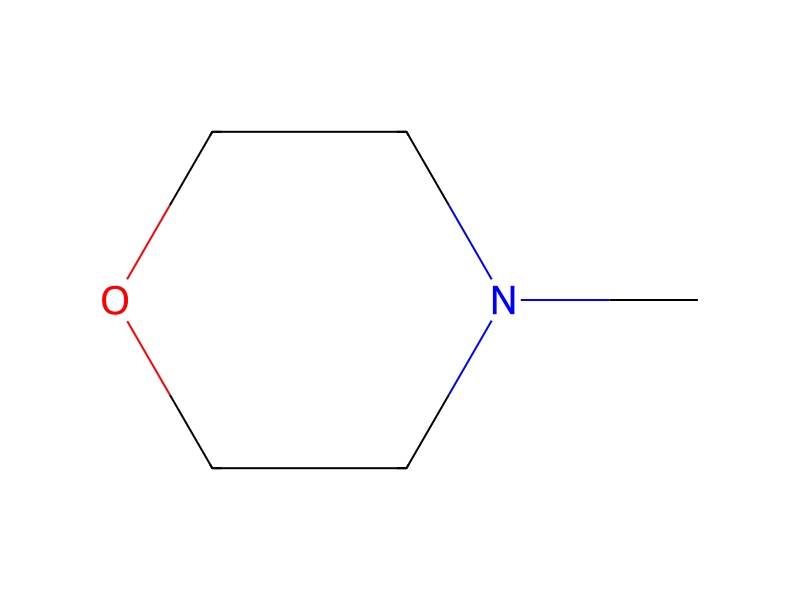
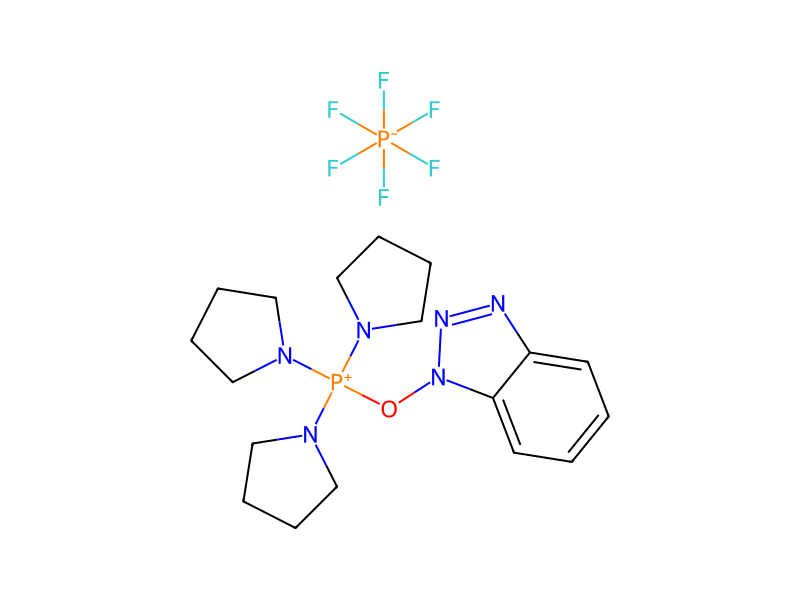
[NH2:1][C:2]1[CH:3]=[C:4]2[C:8](=[CH:9][CH:10]=1)[NH:7][C:6](=[O:11])[CH2:5]2.[C:12]([O:16][C:17]([NH:19][C@H:20]([C:22](O)=[O:23])[CH3:21])=[O:18])([CH3:15])([CH3:14])[CH3:13].F[P-](F)(F)(F)(F)F.N1(O[P+](N2CCCC2)(N2CCCC2)N2CCCC2)C2C=CC=CC=2N=N1.CN1CCOCC1>ClCCl>[C:12]([O:16][C:17]([NH:19][C@H:20]([C:22]([NH:1][C:2]1[CH:3]=[C:4]2[C:8](=[CH:9][CH:10]=1)[NH:7][C:6](=[O:11])[CH2:5]2)=[O:23])[CH3:21])=[O:18])([CH3:14])([CH3:15])[CH3:13]To a suspension of 5-amino-2-oxindole (800 mg, 5.4 mM) and N-tert-butoxycarbonylalanine (1020 mg, 5.4 mM) in dichloromethane (50 ml) were added benzotriazol-1-yloxytripyrrolidinophosphonium hexafluorophosphate (2800 mg, 5.6 mM) and N-methylmorpholine (1.2 ml, 11 mM). The mixture was stirred for 15 h at room temperature. Then the solvent was evaporated under vacuum, the residue suspended in water and extracted 3 times with ethyl acetate. The collected extracts were evaporated and then purified by flash chromatography on silica gel using as eluant cyclohexane/ethylacetate 1:9. Thus pure 5-(N-tert-butoxycarbonylalanylamino)-2-oxindole was obtained (600 mg). A solution of the above compound (250 mg, 0.97 mM) in trifluoroacetic acid (15 ml) was maintained for 1 h at room temperature. Then the solution was concentrated under vacuum and ether added to precipitate 5-(alanylamino)-2-oxindole.