反応式

[CH3:1]/[C:2](/[C:5]([CH3:7])=[O:6])=[N:3]\[OH:4].[Cl:8][C:9]1[CH:16]=[CH:15][C:12]([CH:13]=O)=[CH:11][CH:10]=1.C(O)(=O)C.Cl>C(OCC)C>[Cl:8][C:9]1[CH:16]=[CH:15][C:12]([C:13]2[O:6][C:5]([CH3:7])=[C:2]([CH3:1])[N+:3]=2[O-:4])=[CH:11][CH:10]=1参加物


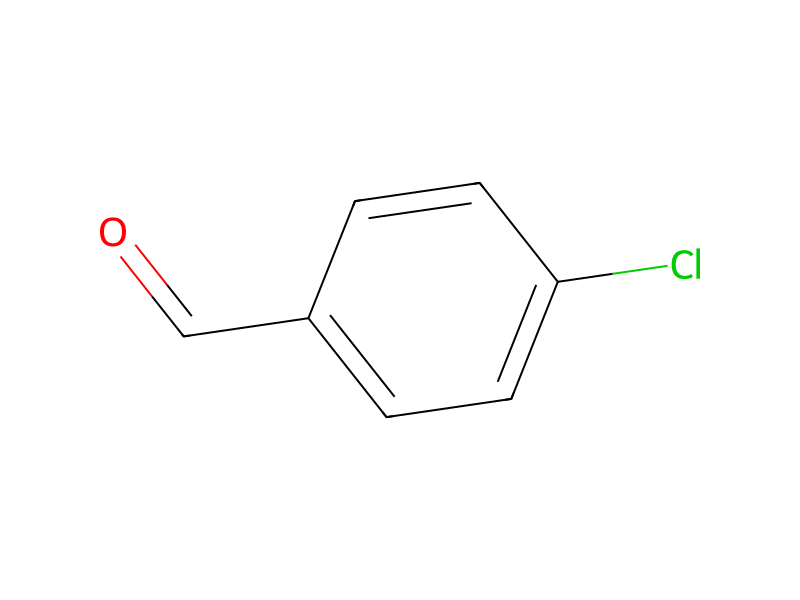



実験手順
1.00 g (9.89 mmol) of diacetylmonoxime and 1.53 g (10.88 mmol) of 4-chlorobenzaldehyde are initially charged in 2 ml (34.94 mmol) of glacial acetic acid. With ice-cooling of the reaction mixture, hydrogen chloride gas is then introduced for 30 min. 10 ml of diethyl ether are then added to the reaction mixture. A precipitate is formed, which is filtered off with suction and washed twice with in each case 2 ml of diethyl ether. The precipitate is resuspended in about 5 ml of water and the suspension is made basic using ammonia. The mixture is then extracted four times with in each case 10 ml of dichloromethane. The combined organic phases are dried over magnesium sulfate and the solvent is removed on a rotary evaporator. The residue is used in the next reaction without further purification.
後処理
- additionis then introduced for 30 min
- customA precipitate is formed
- filtrationwhich is filtered off with suction
- washwashed twice with in each case 2 ml of diethyl ether
- extractionThe mixture is then extracted four times with in each case 10 ml of dichloromethane
- dry with materialThe combined organic phases are dried over magnesium sulfate
- customthe solvent is removed on a rotary evaporator
- customThe residue is used in the next reaction without further purification
出典と根拠
- ORDレコード
- ord-0efbddccaff645478b0fec6f552c813a
- 出典データセット
- uspto-grants-2012_11
- 特許番号
- US08304412B2
関連ノート
読み込み中…