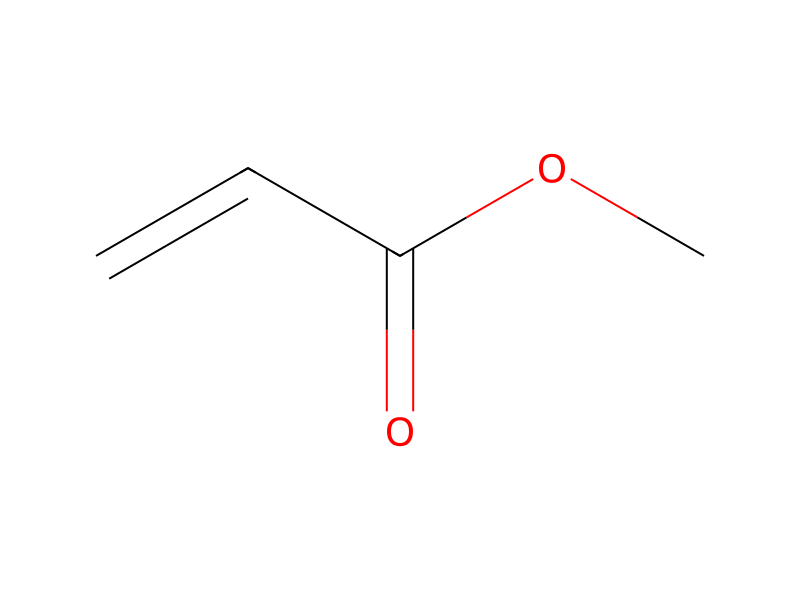
Methyl Acrylate → Methyl 5-Acetoxy-2-formyl-4-methoxycinnamate
HRID 1898760
反応式

[C:1]([O:4][C:5]1[CH:12]=[C:11](Br)[C:8]([CH:9]=[O:10])=[CH:7][C:6]=1[O:14][CH3:15])(=[O:3])[CH3:2].C(N(CC)CC)C.[C:23]([O:27][CH3:28])(=[O:26])[CH:24]=[CH2:25]>CN(C=O)C.CCOCC.O.C1(C=CC=CC=1)[P](C1C=CC=CC=1)(C1C=CC=CC=1)[Pd][P](C1C=CC=CC=1)(C1C=CC=CC=1)C1C=CC=CC=1>[C:1]([O:4][C:5]1[C:6]([O:14][CH3:15])=[CH:7][C:8]([CH:9]=[O:10])=[C:11]([CH:12]=1)[CH:25]=[CH:24][C:23]([O:27][CH3:28])=[O:26])(=[O:3])[CH3:2]