Potassium Carbonate → t-Butyl 4-benzyloxycarbonylaminophenoxyacetate
HRID 1900877
反応式

Br[CH2:2][C:3]([O:5][C:6]([CH3:9])([CH3:8])[CH3:7])=[O:4].[CH2:10]([O:17][C:18]([NH:20][C:21]1[CH:26]=[CH:25][C:24]([OH:27])=[CH:23][CH:22]=1)=[O:19])[C:11]1[CH:16]=[CH:15][CH:14]=[CH:13][CH:12]=1.C(=O)([O-])[O-].[K+].[K+]>CC(C)=O>[CH2:10]([O:17][C:18]([NH:20][C:21]1[CH:22]=[CH:23][C:24]([O:27][CH2:2][C:3]([O:5][C:6]([CH3:9])([CH3:8])[CH3:7])=[O:4])=[CH:25][CH:26]=1)=[O:19])[C:11]1[CH:12]=[CH:13][CH:14]=[CH:15][CH:16]=1参加物
5




実験手順
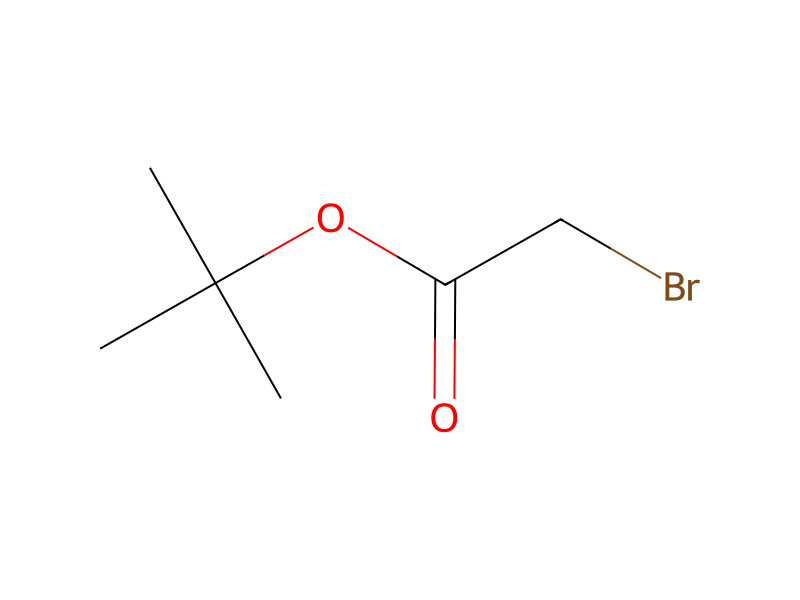
t-Butyl bromoacetate (15.5 ml) was added dropwise over 10 minutes to a mixture of the product of step (a) (21 g), anhydrous potassium carbonate (20 g) and acetone (450 ml). On completion of the addition the reaction mixture was stirred at ambient temperature overnight. Insoluble material was removed by filtration and the filtrate was evaporated to dryness. The solid residue was crystallised from ethyl acetate to give t-butyl 4-benzyloxycarbonylaminophenoxyacetate (25.1 g) as a white solid: m.p. 109°-110° C.; NMR Spectrum (DMSO-d6) 1.42 (9H, s), 4.56 (2H, s), 5.12 (2H, s), 6.82 (2H, d), 7.31-7.43 (7H, m), 9.54 (1H, br s).