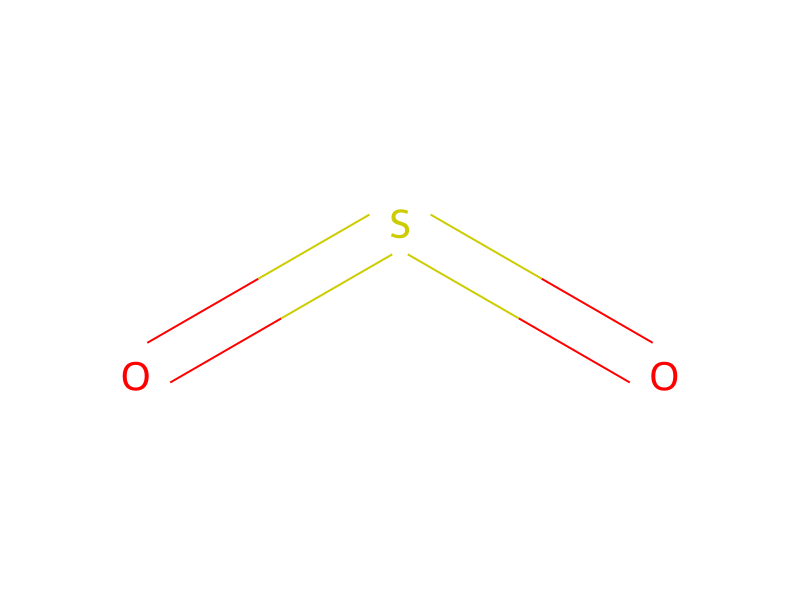
2-Fluoro-4-methylaniline (3 g, 24 mmol) was dissolved in glacial acetic acid (45 ml) and concentrated hydrochloric acid (15 ml) and the solution was cooled to −10° C. with overhead stirring. Sodium nitrite (1.82 g, 26.4 mmol) in water (3 ml) was added dropwise over 0.5 h maintaining the temperature below −5° C. Stirring was continued for a further 0.5 h after the final addition. This mixture was added in small portions to a stirred, saturated solution of sulphur dioxide in acetic acid (30 ml) at 0° C. After addition the mixture was warmed to room temperature and stirred for 1 h before pouring into iced water. After stirring for 0.5 h the product was extracted into ether and the aqueous layer further extracted with dichloromethane. The organic layers were combined, washed with brine, dried (MgSO4) and concentrated (azeotroping with toluene to remove any remaining acetic acid). A mixture of 1,4-dioxan (30 ml) and aqueous ammonia (30 ml of 0.88M) was added to the residue which was stirred overnight. The 1,4-dioxan was removed in vacuo and the aqueous layer extracted with ethyl acetate (2×100 ml). The organic layers were combined, washed with brine (100 ml), dried (MgSO4) and concentrated. Flash column chromatography (elution with 99% dichloromethane/1% methanol) gave the product as a pale yellow solid (1.62 g).