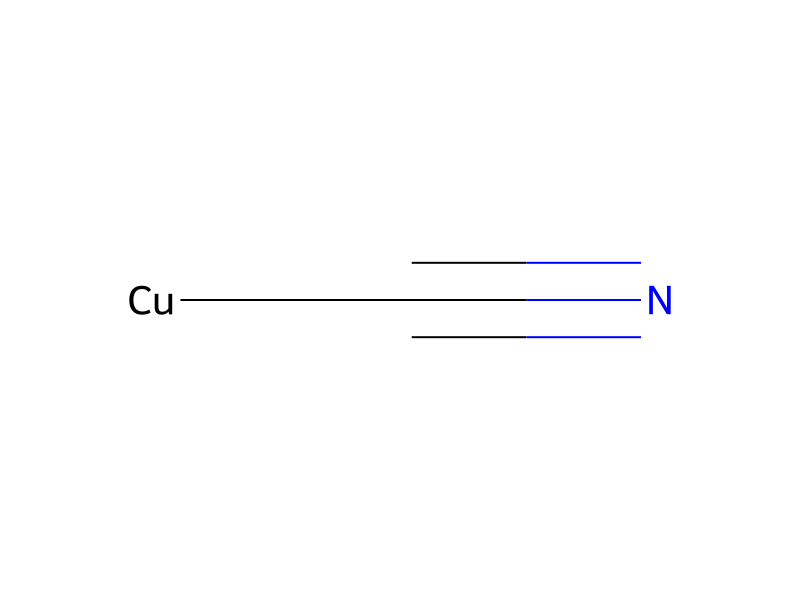
In a 100-ml flask, 3.0 g (19.0 mmol) of 2-i-propylindene and 47 mg (0.523 mmol) of copper (I) cyanide were suspended in 40 ml of diethyl ether, to which was dripped down 13.0 ml of n-butyllithium (1.6 M hexane solution) at -70° C. and the mixture was slowly elevated to room temperature and stirred for 1 hour. Again the mixture was cooled to -30° C. and 40 ml of a diethyl ether solution of 4.36 g (20.9 mmol) of dimethyl(1-indenyl)silyl chloride was added thereto to obtain a dark brown suspension. Stirring was continued at room temperature for 48 hours. The reaction mixture was poured in a saturated aqueous solution of ammonium chloride under ice cooling and the organic layer was washed with 300 ml of saline three times, dried over anhydrous magnesium sulfate, and removed of the solvent by distillation to obtain the reaction mixture as a yellow oil. The reaction mixture was purified by column chromatography (silica gel, development solvent: n-hexane) to separate unreacted raw material, 2-i-propylindene, to fractionate the target compound as a yellow oil.