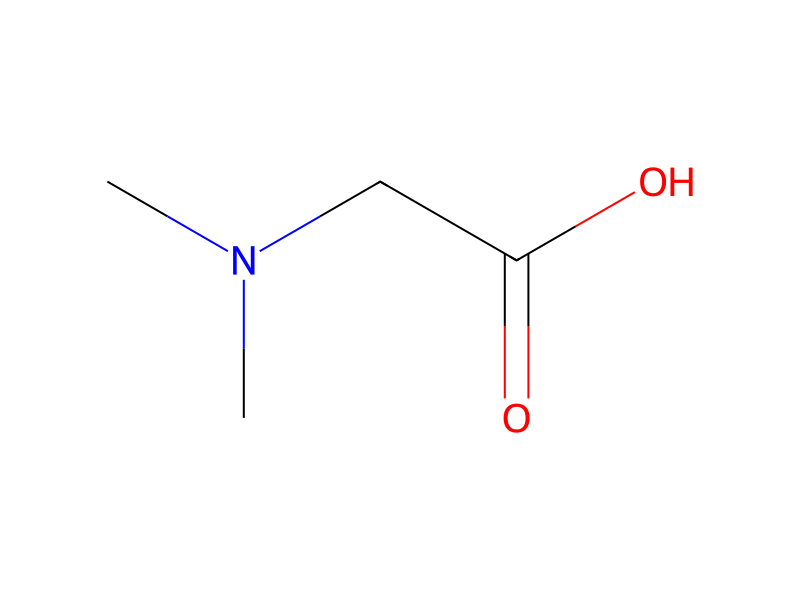
Br[C:2]1[CH:7]=[CH:6][C:5]([CH:8]2[N:12]([CH3:13])[C:11](=[O:14])[CH2:10][CH2:9]2)=[CH:4][CH:3]=1.[F:15][C:16]([F:27])([F:26])[C:17]1[C:25]2[CH2:24][CH2:23][CH2:22][CH2:21][C:20]=2[NH:19][N:18]=1.CN(C)CC(O)=O.C(=O)([O-])[O-].[K+].[K+]>CS(C)=O.[Cu]I>[CH3:13][N:12]1[CH:8]([C:5]2[CH:6]=[CH:7][C:2]([N:19]3[C:20]4[CH2:21][CH2:22][CH2:23][CH2:24][C:25]=4[C:17]([C:16]([F:15])([F:27])[F:26])=[N:18]3)=[CH:3][CH:4]=2)[CH2:9][CH2:10][C:11]1=[O:14]A mixture of 5-(4-bromophenyl)-1-methyl-2-pyrrolidinone (141 mg, 0.56 mmol), 3-(trifluoromethyl)-4,5,6,7-tetrahydro-1H-indazole (111 mg, 0.58 mmol), copper (I) iodide (10 mol %, 11 mg, 0.06 mmol), N,N-dimethylglycine (20 mol %, 12 mg, 0.12 mmol) and potassium carbonate (162 mg, 1.17 mmol) in dimethylsulfoxide (3 ml) was stirred at 180° C. in a microwave reactor for a total of 2 h. The reaction mix was filtered through a 5 g pre-packed silica column washing through with dichloromethane (20 ml), the filtrate was washed with water (50 ml) and the organic layer dried over sodium sulphate. The solvent was removed by rotary evaporation and the sample purified by mass directed auto prep. The final product was partitioned between dichloromethane (3 ml) and water (3 ml). The organic layer was separated and solvent removed by rotary evaporation to give the title compound as a brown oil (14 mg, 7%)