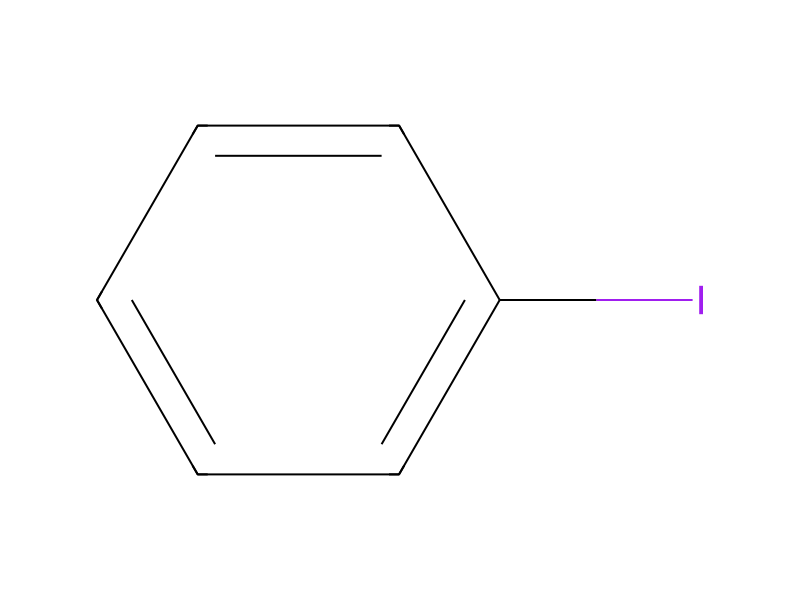
[CH3:1][O:2][C:3]1[N:8]=[C:7]2[CH:9]=[CH:10][NH:11][C:6]2=[CH:5][CH:4]=1.C(=O)([O-])[O-].[K+].[K+].I[C:19]1[CH:24]=[CH:23][CH:22]=[CH:21][CH:20]=1.[Cl-].[NH4+]>CS(C)=O.C/C(/O)=C/C(C)=O.C/C(/O)=C/C(C)=O.[Cu]>[CH3:1][O:2][C:3]1[CH:4]=[C:5]2[CH:9]=[CH:10][N:11]([C:19]3[CH:24]=[CH:23][CH:22]=[CH:21][CH:20]=3)[C:6]2=[CH:7][N:8]=1To a mixture of 5-methoxy-1H-pyrrolo[2,3-c]pyridine (6.00 g, 40.5 mmol; cf. D. Mazéas et al., Heterocycles 50 (1999), 1065), copper(II) acetylacetonate (1.06 g, 4.05 mmol) and potassium carbonate (11.2 g, 81.0 mmol) in DMSO (63 ml) was added iodobenzene (4.99 ml, 44.6 mmol). The reaction mixture was stirred at 130° C. for 10 h. The mixture was then cooled to room temperature, and a solution of ammonium chloride (20% in water) was added. The mixture was filtered through celite and the filtrate extracted three times with EA. The organic layers were combined, dried over sodium sulfate, filtered and evaporated under reduced pressure. Column chromatography of the residue on silica gel (EA/HEP) gave 8.43 g of the title compound.