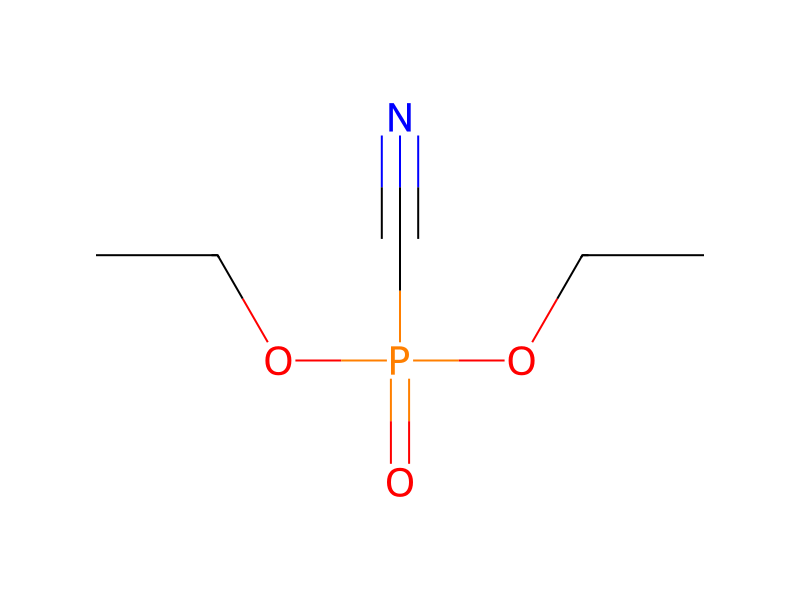
[NH2:1][CH:2]([C:4]1[N:5]([CH3:17])[C:6](=[O:16])[CH:7]=[C:8]([C:10]2[CH:15]=[CH:14][N:13]=[CH:12][N:11]=2)[N:9]=1)[CH3:3].[F:18][C:19]1[CH:27]=[CH:26][C:22]([C:23](O)=[O:24])=[C:21]([O:28][CH3:29])[CH:20]=1.P(C#N)(=O)(OCC)OCC.C(N(CC)CC)C>CN(C)C=O.O>[F:18][C:19]1[CH:27]=[CH:26][C:22]([C:23]([NH:1][CH:2]([C:4]2[N:5]([CH3:17])[C:6](=[O:16])[CH:7]=[C:8]([C:10]3[CH:15]=[CH:14][N:13]=[CH:12][N:11]=3)[N:9]=2)[CH3:3])=[O:24])=[C:21]([O:28][CH3:29])[CH:20]=1To a solution of 0.112 g (0.48 mmol) of (+/−) 2-(1-amino-ethyl)-1-methyl-1H-[4,4′]bipyrimidinyl-6-one in 5 mL of dimethylformamide was added 0.082 g (0.48 mmol) of 4-fluoro-2-methoxy-benzoic acid and 90 μL (0.58 mmol) of diethyl phosphorocyanidate (DEPC). The resulting mixture was cooled at 0° C., 70 μL (0.53 mmol) of triethylamine was added and stirred at room temperature for 1 h. Water was added and the mixture extracted with diethyl acetate. The extracts were washed with a saturated aqueous solution of ammonium chloride, dried and evaporated. The residue was purified on preparative thin layer chromatography eluting with a mixture of dichloromethane/methanol/aqueous ammonia solution (29%) in the proportions 95/5/0.5 to afford 0.12 g (66%) of the desired compound as a white powder.