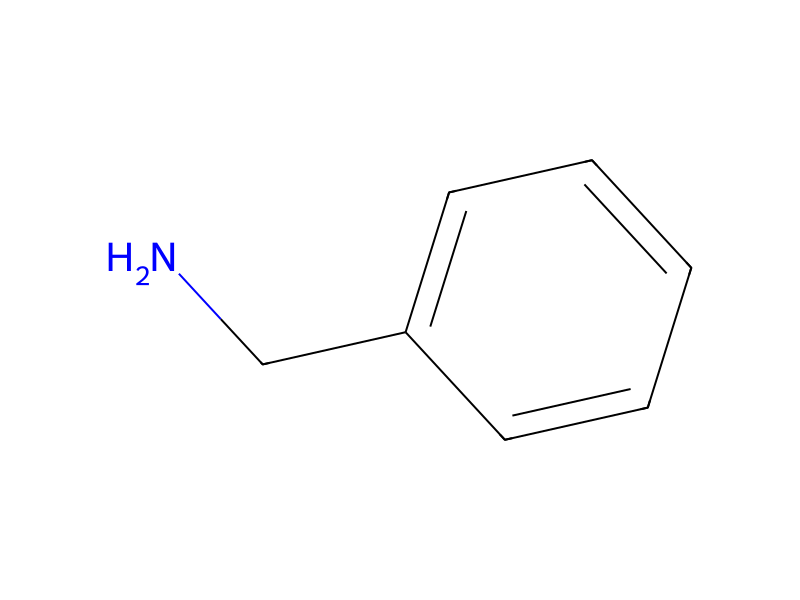
[CH:1]1([N:4]2[C:13]3[C:8](=[C:9](F)[C:10]([F:15])=[C:11]([F:14])[CH:12]=3)[C:7](=[O:17])[C:6]([C:18]([O:20][CH2:21][CH3:22])=[O:19])=[CH:5]2)[CH2:3][CH2:2]1.[CH2:23]([NH2:30])[C:24]1[CH:29]=[CH:28][CH:27]=[CH:26][CH:25]=1.ClC=C(Cl)Cl.Cl>O>[CH2:23]([NH:30][C:9]1[C:10]([F:15])=[C:11]([F:14])[CH:12]=[C:13]2[C:8]=1[C:7](=[O:17])[C:6]([C:18]([O:20][CH2:21][CH3:22])=[O:19])=[CH:5][N:4]2[CH:1]1[CH2:3][CH2:2]1)[C:24]1[CH:29]=[CH:28][CH:27]=[CH:26][CH:25]=1A mixture of 2.57 g of ethyl 1-cyclopropyl-5,6,7-trifluoro-1,4-dihydro-4-oxoquinoline-3-carboxylate, 1.8 ml of benzylamine and 180 ml of trichloroethylene was heated under reflux for 3 hours and 40 minutes. Water and 10 % hydrochloric acid were added to the reaction mixture to render the aqueous layer acidic. The trichloroethylene layer was separated and dried over anhydrous sodium sulfate. The solvent was evaporated under reduced pressure, and the residue was separated and purified by silica gel column chromatography to give 2.78 g of ethyl 5-benzylamino-1-cyclopropyl-6,7-difluoro-1,4-dihydro-4-oxoquinoline-3-carboxlate. m.p 144°-145° C.