Triethylamine → HCID 12928961、化合物
HRID 2057941
反応式

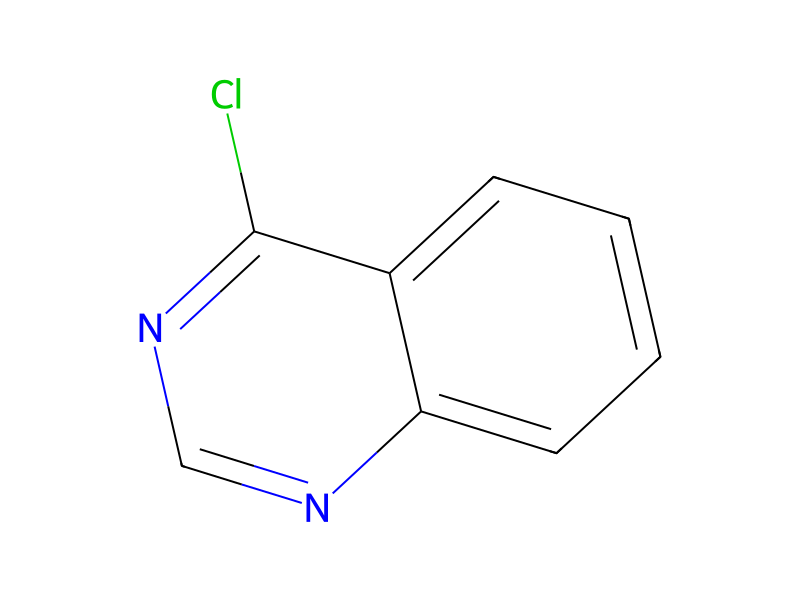
Cl[C:2]1[C:11]2[C:6](=[CH:7][CH:8]=[CH:9][CH:10]=2)[N:5]=[CH:4][N:3]=1.C(N(CC)CC)C.[O:19]([CH2:26][CH2:27][CH2:28][CH2:29][CH2:30][NH2:31])[C:20]1[CH:25]=[CH:24][CH:23]=[CH:22][CH:21]=1>C1C=CC=CC=1>[O:19]([CH2:26][CH2:27][CH2:28][CH2:29][CH2:30][NH:31][C:2]1[C:11]2[C:6](=[CH:7][CH:8]=[CH:9][CH:10]=2)[N:5]=[CH:4][N:3]=1)[C:20]1[CH:25]=[CH:24][CH:23]=[CH:22][CH:21]=1参加物
5



実験手順
To a solution of 1.7 g (0.01 mol) of 4-chloroquinazoline in 50 ml of benzene were added 1.0 g (0.01 mol) of triethylamine and 1.8 g (0.01 mol) of 5-phenoxypentylamine, and the mixture was refluxed for 3 hours. After completion of the reaction, the benzene was evaporated under reduced pressure to leave crystals, which were washed with water, collected by filtration and recrystallized from aqueous ethanol, giving 0.6 g of 4-(5-phenoxypentyl)aminoquinazoline in the form of colorless flakes.