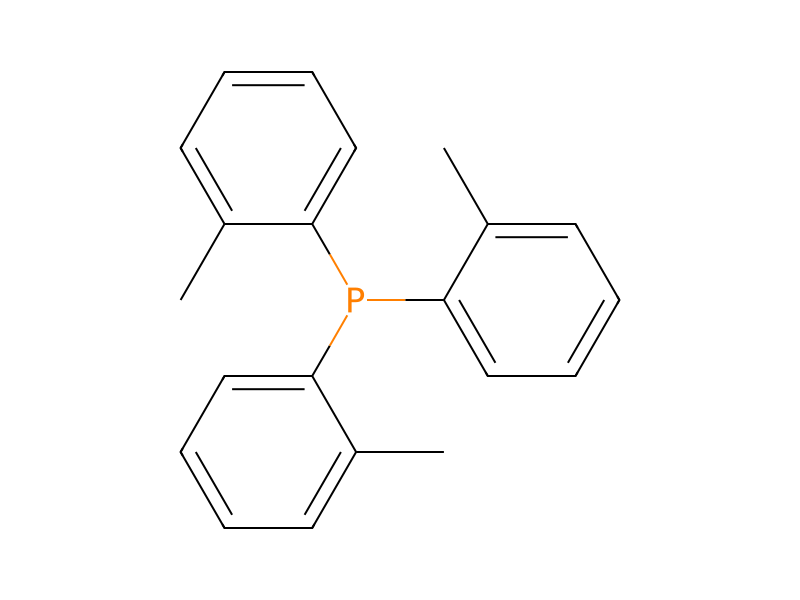
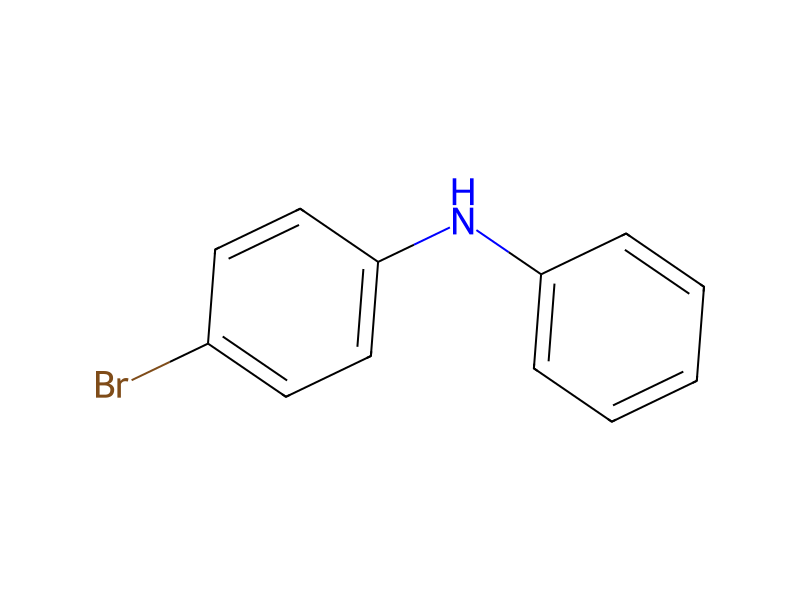
[CH:1]1[CH:6]=[CH:5][C:4]([NH:7][C:8]2[CH:13]=[CH:12][C:11](Br)=[CH:10][CH:9]=2)=[CH:3][CH:2]=1.[C:15]1([N:21]2[C:33]3[CH:32]=[CH:31][C:30](B(O)O)=[CH:29][C:28]=3[C:27]3[C:22]2=[CH:23][CH:24]=[CH:25][CH:26]=3)[CH:20]=[CH:19][CH:18]=[CH:17][CH:16]=1.C1(C)C=CC=CC=1P(C1C=CC=CC=1C)C1C=CC=CC=1C.C(=O)([O-])[O-].[K+].[K+].C(O)C1C(Cl)=C(Cl)C(Cl)=C(Cl)C=1Cl>C([O-])(=O)C.[Pd+2].C([O-])(=O)C.C(O)C.C1(C)C=CC=CC=1>[CH:1]1[CH:6]=[CH:5][C:4]([NH:7][C:8]2[CH:13]=[CH:12][C:11]([C:30]3[CH:31]=[CH:32][C:33]4[N:21]([C:15]5[CH:20]=[CH:19][CH:18]=[CH:17][CH:16]=5)[C:22]5[C:27]([C:28]=4[CH:29]=3)=[CH:26][CH:25]=[CH:24][CH:23]=5)=[CH:10][CH:9]=2)=[CH:3][CH:2]=1In a 500-mL three-neck flask, 6.5 g (26 mmol) of 4-bromodiphenylamine, 7.5 g (26 mmol) of 9-phenyl-9H-carbazol-3-boronic acid, and 400 mg (1.3 mmol) of tri(o-tolyl)phosphine were added, and the atmosphere in the flask was substituted by nitrogen. Then, 100 mL of toluene, 50 mL of ethanol, and 14 mL of aqueous solution of potassium carbonate (2.0 mol/L) were added to this mixture. The mixture was degassed while stirring under reduced pressure, which is followed by the addition of 67 mg (0.3 mmol) of palladium(II) acetate. This mixture was refluxed at 100° C. for 10 hours. After the reflux, the organic layer was separated from the aqueous layer, the aqueous layer was extracted with toluene, and the extract and the organic layer were combined and washed with brine. The organic layer was dried with magnesium sulfate, subjected to gravity filtration. The resulting filtrate was concentrated to give a pale brown oily product. The oily product was purified by silica gel column chromatography (the developing solvent containing a 4:6 ratio of hexane to toluene), and a white solid obtained after the purification was recrystallized with a mixed solvent of dichloromethane and hexane to give a white solid which was the desired substance. The yield was 4.9 g and 45%. The synthetic scheme of PCBA is shown in the scheme (C-4).