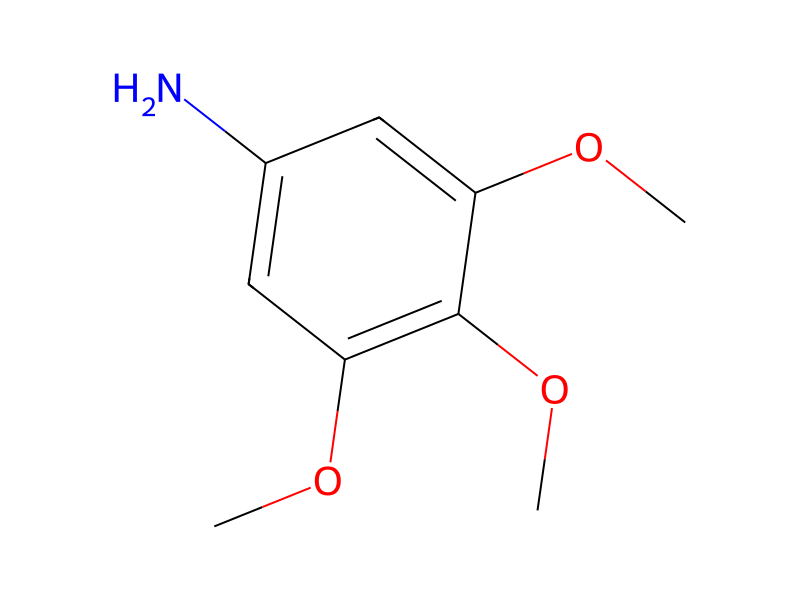
3,4,5-Trimethoxy-phenylamine (10 g, 54.6 mmol) and 2-methylsulfanyl-pyrimidin-4-ol (7.76 g, 54.6 mmol) are mixed and heated to 150° C. for 2 h whereupon the mixture melts. The evolving gas is absorbed in sodium hypochlorite solution. The remaining residue is suspended in acetonitrile (300 ml). POCl3 (10.8 ml, 117 mmol) and 4 N HCl in dioxane (35.2 ml, 140 mmol) are added and the mixture is heated to 90° C. until the reaction is complete. The mixture is extracted with ethyl acetate, washed with sat. sodium bicarbonate and brine. The organic layer is dried with sodium sulfate and evaporated. The residue is crystallized from methanol to give (4-chloro-pyrimidin-2-yl)-(3,4,5-trimethoxy-phenyl)-amine.