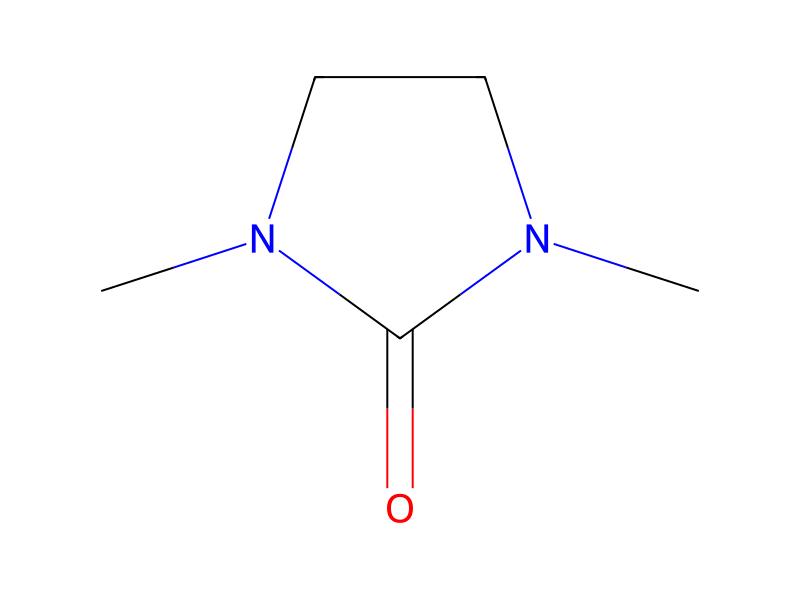
4-Hydroxy-1-(4-methoxybenzyl)-1H-pyrazolo[3,4-b]pyridine-5-carboxylic acid (2.54 g) was dissolved in dimethylimidazolidinone (24 mL), and basic copper carbonate (204 mg, 0.1 equivalents) was added thereto. The resulting mixture was stirred at 180° C. for 3 hours and then allowed to cool. After dilution with water (about 50 mL), ethyl acetate/THF/water (400/100/500 mL) were added thereto. Insoluble substance was removed by filtration, and the organic layer was separated. The aqueous layer was extracted with ethyl acetate (about 200 mL). The combined organic layer was washed with saturated brine and dried. The drying agent was removed by filtration, and the filtrate was concentrated under reduced pressure. The obtained residue was purified by silica-gel column chromatography (dichloromethane/methanol=100/0 to 5/1) to give 1-(4-methoxybenzyl)-1H-pyrazolo[3,4-b]pyridin-4-ol (759 mg, 35%) as a yellow amorphous material.