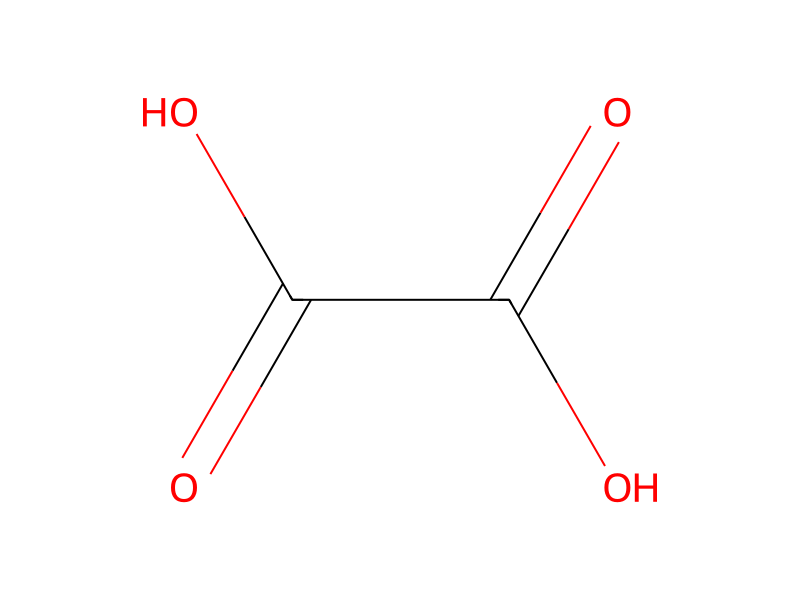
CN(C)CCCC1C2C=C(SC)C=CC=2C=CC2C=CC=CC1=2.OO.C(O)(=O)C(O)=O.C(O)(=O)C(O)=O.[CH3:38][N:39]([CH3:62])[CH2:40][CH2:41][CH2:42][CH:43]1[C:49]2[CH:50]=[C:51]([S:54]([CH3:57])(=[O:56])=[O:55])[CH:52]=[CH:53][C:48]=2[CH:47]=[CH:46][C:45]2[CH:58]=[CH:59][CH:60]=[CH:61][C:44]1=2>C(O)C.C(O)(=O)C>[CH3:62][N:39]([CH3:38])[CH2:40][CH2:41][CH2:42][CH:43]1[C:49]2[CH:50]=[C:51]([S:54]([CH3:57])(=[O:55])=[O:56])[CH:52]=[CH:53][C:48]=2[CH:47]=[CH:46][C:45]2[CH:58]=[CH:59][CH:60]=[CH:61][C:44]1=25-(3-Dimethylaminopropyl)-3-methylmercapto-5H-dibenzo[a,d]cycloheptene, 1.6 g. (0.005 mole), is dissolved in 16 ml. of glacial acetic acid. The solution is cooled in an ice-bath to 15° C. and stirred while hydrogen peroxide, 2 ml. of 30%, is added dropwise. The ice-bath then is removed and the solution stirred while it warms to room temperature and then allowed to stand for 65 hours. The solution is cooled in an ice-bath and stirred while sulfur dioxide is introduced for 1 hour. After dilution with an equal mixture is rendered alkaline with sodium hydroxide and the oily base extracted into benzene. Solvent is evaporated from the washed benzene extract under reduced pressure, leaving the product as a viscous oily residue in a yield of 1.75 g. (93%). The base may be converted to the hydrogen oxalate salt by treating a solution in ethanol with an equimolar quantity of oxalic acid dissolved in ethanol. 5-(3-Dimethylaminopropyl)-3-methylsulfonyl-5H-dibenzo[a,d]cycloheptene hydrogen oxalate separates as a white crystalline solid, m.p. 191°-192° C. dec. The melting point is unchanged by recrystallization from ethanol.
読み込み中…