反応式

[C:1]([CH2:4][CH:5]1[C:9]2[C:10]([C:16]([NH:18][C:19]3[C:24]([Cl:25])=[CH:23][N:22]=[CH:21][C:20]=3[Cl:26])=[O:17])=[CH:11][CH:12]=[C:13]([O:14][CH3:15])[C:8]=2[O:7][CH2:6]1)([OH:3])=O.[NH2:27][C:28]1[C:33]([Cl:34])=[CH:32][N:31]=[CH:30][C:29]=1[Cl:35]>>[Cl:25][C:24]1[CH:23]=[N:22][CH:21]=[C:20]([Cl:26])[C:19]=1[NH:18][C:16]([C:10]1[C:9]2[CH:5]([CH2:4][C:1]([NH:27][C:28]3[C:33]([Cl:34])=[CH:32][N:31]=[CH:30][C:29]=3[Cl:35])=[O:3])[CH2:6][O:7][C:8]=2[C:13]([O:14][CH3:15])=[CH:12][CH:11]=1)=[O:17]参加物
3
反応物 2
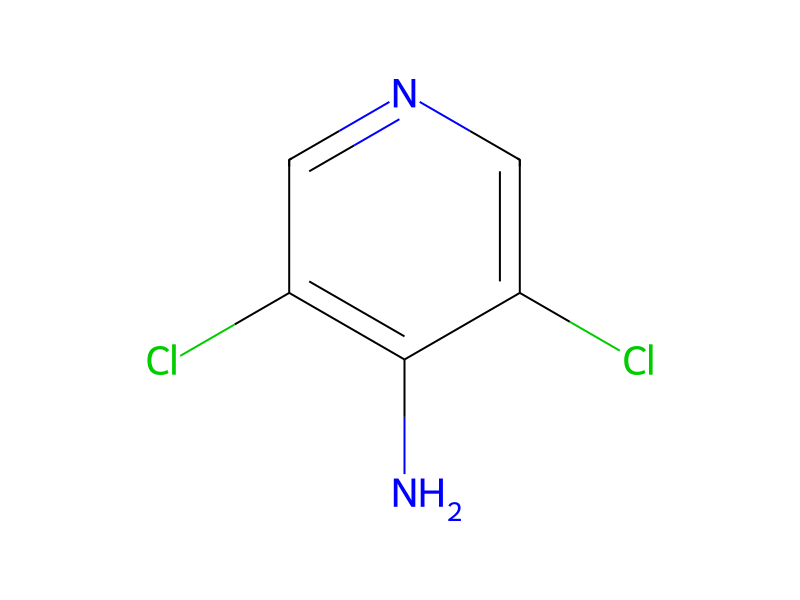

生成物 1

実験手順
Substantially the same procedure as in Example 13 was repeated using Compound 9 (0.30 g) obtained in Example 9 and 4-amino-3,5-dichloropyridine to give Compound 32 (0.06 g, 17%) as a white solid.
出典と根拠
- ORDレコード
- ord-c32df7e72aec45f4b88efc40384700f7
- 出典データセット
- uspto-grants-2004_04
- 特許番号
- US06716987B1
関連ノート
読み込み中…