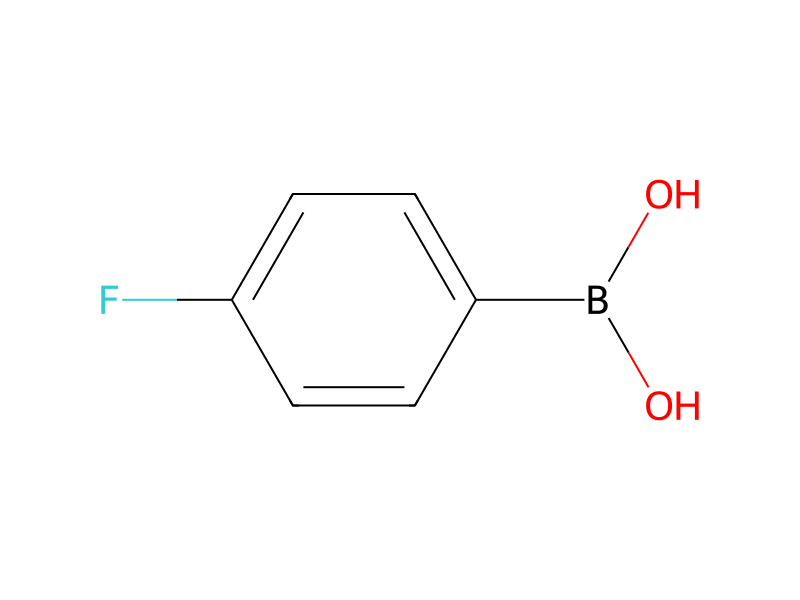
N#N.[CH2:3]([NH:10][CH2:11][CH2:12][NH:13][C:14]1[N:15]=[N:16][C:17](Cl)=[C:18]([CH3:21])[C:19]=1[CH3:20])[C:4]1[CH:9]=[CH:8][CH:7]=[CH:6][CH:5]=1.[F:23][C:24]1[CH:29]=[CH:28][C:27](B(O)O)=[CH:26][CH:25]=1.[F-].[Cs+]>O1CCOCC1>[CH2:3]([NH:10][CH2:11][CH2:12][NH:13][C:14]1[N:15]=[N:16][C:17]([C:27]2[CH:28]=[CH:29][C:24]([F:23])=[CH:25][CH:26]=2)=[C:18]([CH3:21])[C:19]=1[CH3:20])[C:4]1[CH:9]=[CH:8][CH:7]=[CH:6][CH:5]=1Treat a N2 degassed mixture of N1-benzyl-N2-(6-chloro-4,5-dimethylpyridazin-3-yl)ethane-1,2-diamine (6.40 g, 22.0 mmol), 4-fluorophenylboronic acid (9.24 g, 66.0 mmol) and CsF (10.0 g, 66.0 mmol) in 1,4-dioxane (220 mL) with (1,1′-bis(diphenylphosphino)ferrocene)palladium(II) chloride (2.70 g, 3.30 mmol). Heat the reaction mixture at 95° C. overnight. Cool, and partition between saturated NaHCO3 (aq) and EtOAc. Separate the layers, and extract the aqueous layer with EtOAc. Combine the organic layers, dry over Na2SO4, filter, and concentrate under reduced pressure. Purify the residue by flash silica gel chromatography (gradient of 0 to 6% 2M NH3/MeOH in CH2Cl2) to afford the title compound as a waxy solid (4.91 g, 64%). ES/MS m/z 351.2 (M+1).