反応式

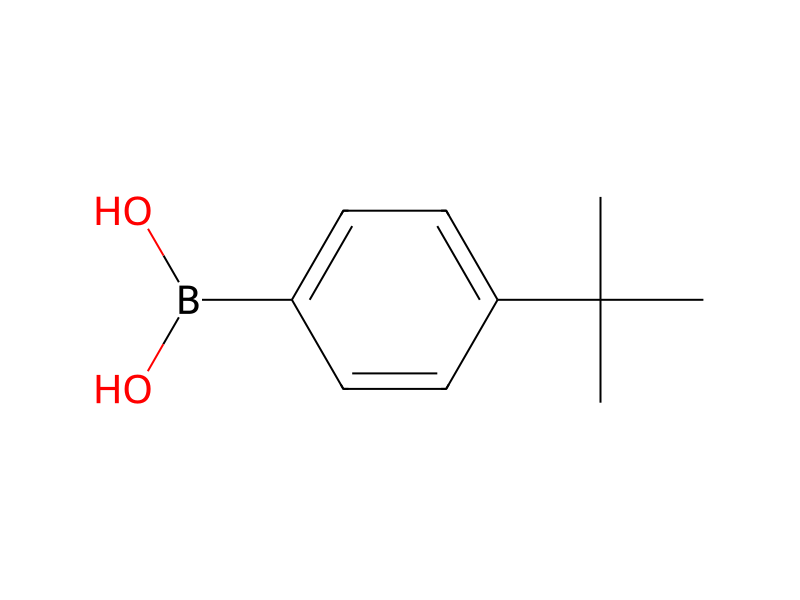
Cl[C:2]1[C:11]2[C:6](=[CH:7][CH:8]=[CH:9][CH:10]=2)[CH:5]=[C:4]([NH:12][C:13]2[CH:17]=[C:16]([CH3:18])[NH:15][N:14]=2)[N:3]=1.[C:19]([C:23]1[CH:28]=[CH:27][C:26](B(O)O)=[CH:25][CH:24]=1)([CH3:22])([CH3:21])[CH3:20]>>[C:19]([C:23]1[CH:28]=[CH:27][C:26]([C:2]2[C:11]3[C:6](=[CH:7][CH:8]=[CH:9][CH:10]=3)[CH:5]=[C:4]([NH:12][C:13]3[CH:17]=[C:16]([CH3:18])[NH:15][N:14]=3)[N:3]=2)=[CH:25][CH:24]=1)([CH3:22])([CH3:21])[CH3:20]参加物
3


実験手順
Similar procedure as described in example 131 was used, starting from (1-chloro-isoquinolin-3-yl)-(5-methyl-1H-pyrazol-3-yl)-amine and 4-tert-butyl-phenylboronic acid to give [1-(4-tert-butyl-phenyl)-isoquinolin-3-yl]-(5-methyl-1H-pyrazol-3-yl)-amine. LC-MS m/e 357(MH+).
出典と根拠
- ORDレコード
- ord-5400f3c768014900b1f8eca87c37473c
- 出典データセット
- uspto-grants-2009_08
- 特許番号
- US07572809B2
関連ノート
読み込み中…