1,4-Dioxane → 5-Bromo-4-chloro-N-(4-methoxybenzyl)thiazol-2-amine
HRID 2109768
反応式

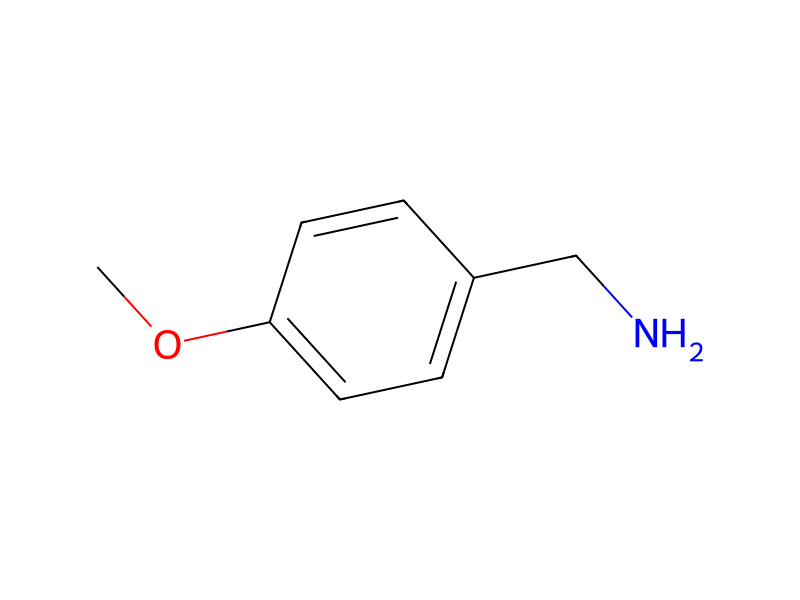
Br[C:2]1[S:3][C:4]([Br:8])=[C:5]([Cl:7])[N:6]=1.O1CCOCC1.[CH3:15][O:16][C:17]1[CH:24]=[CH:23][C:20]([CH2:21][NH2:22])=[CH:19][CH:18]=1>>[CH3:15][O:16][C:17]1[CH:24]=[CH:23][C:20]([CH2:21][NH:22][C:2]2[S:3][C:4]([Br:8])=[C:5]([Cl:7])[N:6]=2)=[CH:19][CH:18]=1参加物
4



反応条件
- 温度
- 75 °C
実験手順
To a 250 mL round-bottomed flask was added 2,5-dibromo-4-chlorothiazole (5.9 g, 21 mmol), p-dioxane (50 mL, 587 mmol), and 4-methoxybenzylamine (3 mL, 21 mmol). The solution was stirred at 75° C. for 4 hours. The reaction was cooled to room temperature, and the solvent was removed. The residue was dissolved in EtOAc and washed with saturated NaHCO3 (1×25 mL), saturated sodium chloride (1×25 mL), water (1×25 mL), and dried over Na2SO4, filtered and concentrated in vacuum. The crude product was adsorbed onto a plug of silica gel and chromatographed through a Redi-Sep® pre-packed silica gel column (40 g), eluting with a gradient (5%→50% EtOAc in hexane) to provide N-(4-methoxybenzyl)-5-bromo-4-chlorothiazol-2-amine (5.5 g, 80% yield), m/z (%): 334.1 (100%, M++H).