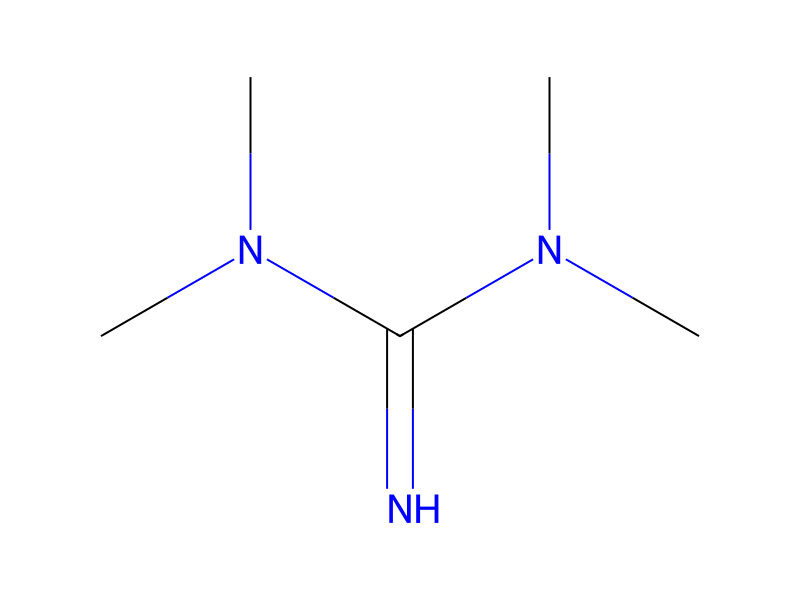
I[C:2]1[CH:3]=[C:4]([CH:9]=[CH:10][C:11]=1[OH:12])[C:5]([O:7][CH3:8])=[O:6].[C:13]1([C:19]#[CH:20])[CH:18]=[CH:17][CH:16]=[CH:15][CH:14]=1.CN(C)C(=N)N(C)C.CN(C=O)C>[Cu]I.O>[CH3:8][O:7][C:5]([C:4]1[CH:9]=[CH:10][C:11]2[O:12][C:19]([C:13]3[CH:18]=[CH:17][CH:16]=[CH:15][CH:14]=3)=[CH:20][C:2]=2[CH:3]=1)=[O:6]A mixture of methyl 3-iodo-4-hydroxybenzoate 26 (1 g, 3.6 mmol), phenylacetylene (2 ml, 18 mmol), tetramethylguanidine (4.5 ml, 36 mmol), copper(I)iodide (34 mg, 1.8 mmol), bis(triphenylphosphine)palladium (II)chloride (130 mg, 1.8 mmol) and DMF (20 ml) was stirred at room temperature overnight. The reaction mixture was poured into water, extracted, washed and dried. After evaporation of the solvent, the residue was purified by chromatography to give about 0.9 g of 2-phenyl-benzofuran-5-carboxylic acid methyl ester 27.