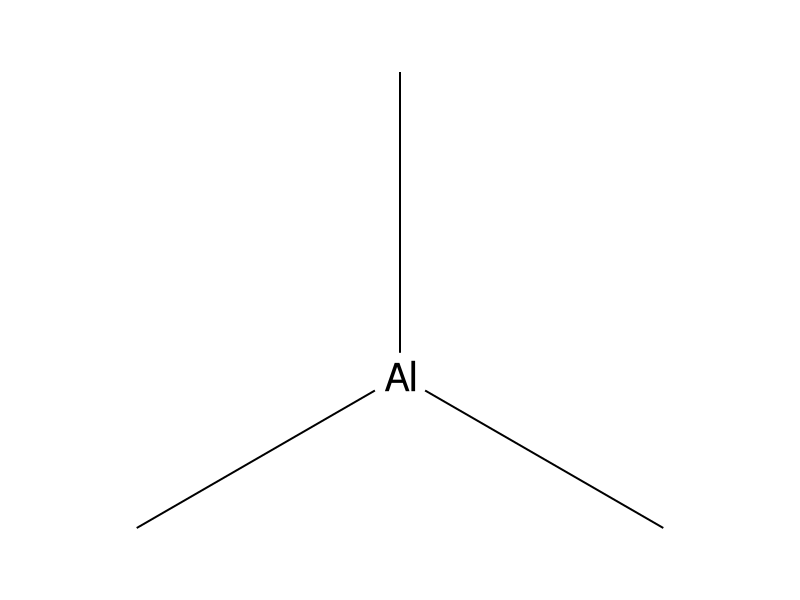
[NH2:1][C:2]1[CH:3]=[C:4]([CH:8]2[CH2:15][N:14]3[C:10]([S:11][CH2:12][CH2:13]3)=[N:9]2)[CH:5]=[CH:6][CH:7]=1.C[Al](C)C.C([O:22][C:23]([C:25]1[CH:29]=[C:28]([CH3:30])[N:27]([C:31]2[CH:36]=[CH:35][CH:34]=[CH:33][CH:32]=2)[N:26]=1)=O)C>ClCCl>[CH3:30][C:28]1[N:27]([C:31]2[CH:36]=[CH:35][CH:34]=[CH:33][CH:32]=2)[N:26]=[C:25]([C:23]([NH:1][C:2]2[CH:3]=[C:4]([CH:8]3[CH2:15][N:14]4[C:10]([S:11][CH2:12][CH2:13]4)=[N:9]3)[CH:5]=[CH:6][CH:7]=2)=[O:22])[CH:29]=1To 6-(m-aminophenyl)-2,3,5,6-tetrahydroimidazo[2,1-b]thiazole (1.9 g, 8.7 mmol) in dry dichloromethane (40 ml) under nitrogen at room temperature was added trimethylaluminium (6 ml: 25% in hexane). After 20 min 5-methyl-1-phenylpyrazole 3-carboxylic acid ethyl ester (2 g, 8.7 mmol) in dry dichloromethane (5 ml) was added and the mixture heated under reflux for 3 days. The reaction was quenched by the slow addition of hydrochloric acid (20 ml, 2 N aqueous), basified with aqueous ammonia solution (5 N) and extracted with chloroform (3×200 ml). After drying the organic phase was concentrated in vacuo to afford an oil which was separated by column chromatography on alumina eluting with chloroform to afford the amide (2.41 g; 69%). Addition of isopropanolic hydrogen chloride gave the hydrochloride salt (1.56 g) recrystallised from ethanol.