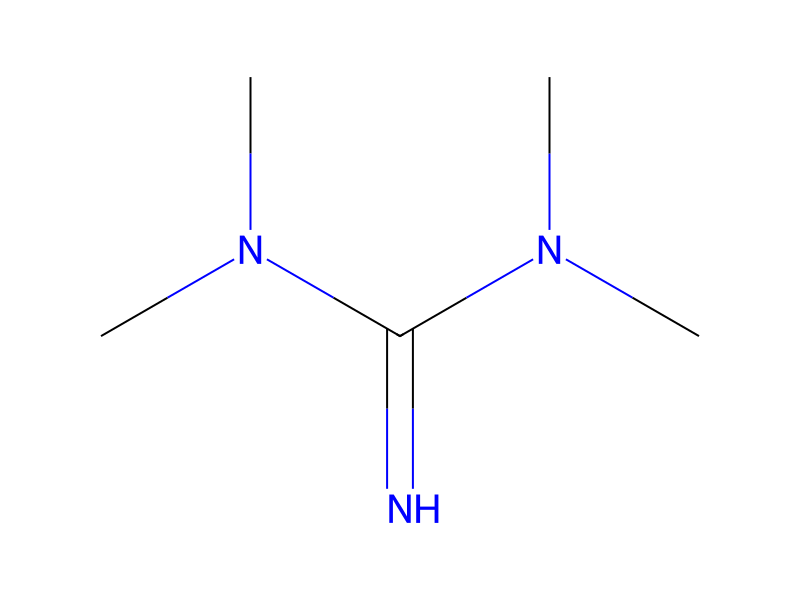
1,1,3,3-Tetramethylguanidine → Rac-2-ethoxy-3-(3-methyl-1h-indol-5-yl)-propionic acid ethyl ester
HRID 2181185
反応式

CC1C2C(=CC=C(C=O)C=2)NC=1.[Cl-].C(OC([P+](C1C=CC=CC=1)(C1C=CC=CC=1)C1C=CC=CC=1)C(OCC)=O)C.CN(C)C(=N)N(C)C.[CH2:50]([O:52][C:53](=[O:69])/[C:54](/[O:66][CH2:67][CH3:68])=[CH:55]/[C:56]1[CH:57]=[C:58]2[C:62](=[CH:63][CH:64]=1)[NH:61][CH:60]=[C:59]2[CH3:65])[CH3:51]>ClCCl>[CH2:50]([O:52][C:53](=[O:69])[CH:54]([O:66][CH2:67][CH3:68])[CH2:55][C:56]1[CH:57]=[C:58]2[C:62](=[CH:63][CH:64]=1)[NH:61][CH:60]=[C:59]2[CH3:65])[CH3:51]参加物
6