反応式

[N:1]1[CH:6]=[CH:5][CH:4]=[CH:3][C:2]=1[CH2:7][CH2:8][CH2:9][CH2:10][CH2:11][CH2:12][CH2:13][CH2:14][CH2:15][CH2:16]S.[CH2:18](O)C>CC(C)=O.CO.[Cu](Br)Br.[Fe](Br)Br.[Co](Br)Br.[Co](Cl)Cl>[CH:2]1[C:7]2[C:16]3=[C:15]4[C:10](=[CH:9][CH:8]=2)[CH:11]=[CH:12][CH:13]=[C:14]4[CH:18]=[CH:6][C:5]3=[CH:4][CH:3]=1.[N:1]1[CH:6]=[CH:5][CH:4]=[CH:3][CH:2]=1参加物





実験手順
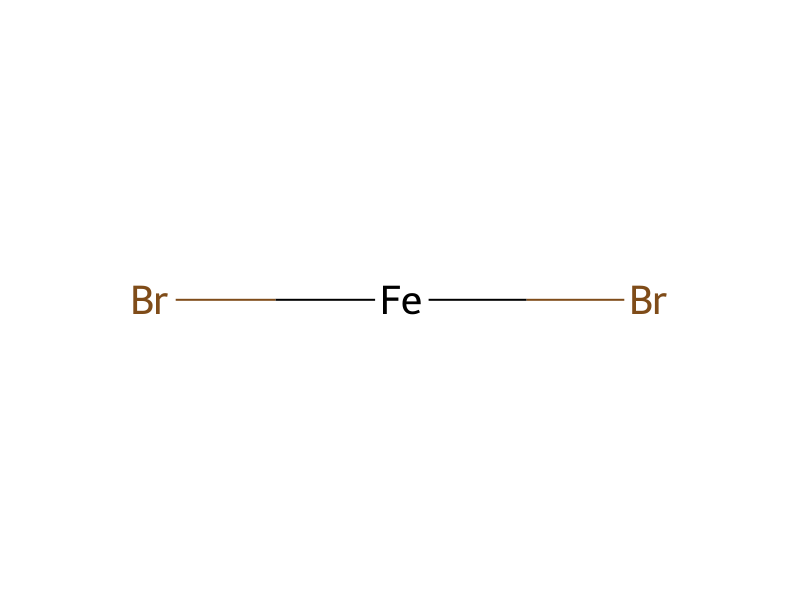
For multilayer film preparation, gold slides were purchased from Evaporated Metal Films (EMF). The slides have dimensions of 25 mm×75 mm×1 mm of float glass with cut edges and they are coated with 50 angstroms of chromium followed by 1000 angstroms of gold. The substrates were cut in different sizes according to experimental needs. Slides were immersed in a piranha solution (70% sulfuric acid/30% hydrogen peroxide) at 90° C. for 10-15 minutes in order to provide a clean surface. The slides were rinsed with water, ethanol and dried with nitrogen and used immediately. Monolayers were prepared by immersing the clean gold slides in a 1-2 mM ethanol solution of the desired compound. For pyridine-decanethiol the immersion time was 6-8 h. Copper bromide and iron bromide were used as the source of Cu(II) and Fe(III) ions in 1 mM solutions in ethanol. Immersion time for both solutions was less than 3 h. Cobalt bromide and cobalt chloride were used in 1 mM solutions in ethanol and acetone with immersion times of 24 h. Subsequent deposition of other organic ligands (bypyridine, pyrene-pyridine, disubstituted pyrene) required 12-30 hours immersion time and was obtained from 1 mM solutions in ethanol or methanol. The films were rinsed with ethanol and dried with nitrogen before changing from one solution to the next one in order to avoid the presence of physically adsorbed molecules on the surface.
後処理
- waitImmersion time for both solutions was less than 3 h
出典と根拠
- ORDレコード
- ord-576985157445432c996ec0829c610df8
- 出典データセット
- uspto-grants-2005_05
- 特許番号
- US06893716B2
関連ノート
読み込み中…