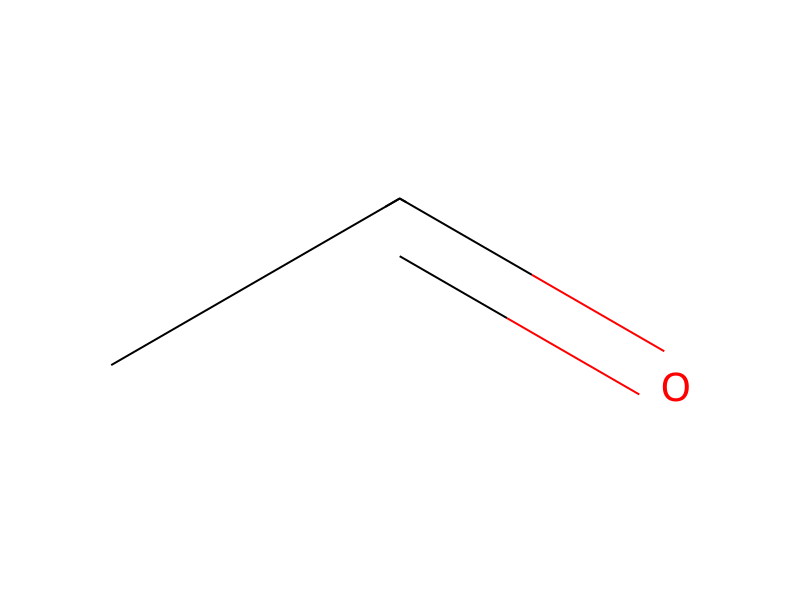
[O:1]1[C:5]2([CH2:10][CH2:9][CH:8]([NH:11][C:12]3[C:13]([CH3:23])=[C:14]([CH:19]=[C:20]([Cl:22])[CH:21]=3)[C:15]([O:17][CH3:18])=[O:16])[CH2:7][CH2:6]2)[O:4][CH2:3][CH2:2]1.[CH:24](=O)[CH3:25].C(O)(=O)C.C(O[BH-](OC(=O)C)OC(=O)C)(=O)C.[Na+]>ClC(Cl)C>[Cl:22][C:20]1[CH:21]=[C:12]([N:11]([CH2:24][CH3:25])[CH:8]2[CH2:9][CH2:10][C:5]3([O:4][CH2:3][CH2:2][O:1]3)[CH2:6][CH2:7]2)[C:13]([CH3:23])=[C:14]([CH:19]=1)[C:15]([O:17][CH3:18])=[O:16]To a stirred solution of methyl 3-(1,4-dioxaspiro[4.5]decan-8-ylamino)-5-chloro-2-methylbenzoate (6.6 g, 19 mmol) and acetaldehyde (2.56 g, 58.4 mmol) in dichloroethane (70 mL) was added acetic acid (7.0 g, 120 mmol) and the reaction mixture stirred at room temperature for 10 minutes. Then sodium triacetoxyborohydride (12 g, 57 mmol) was added at 0° C. and the reaction stirred overnight at room temperature. On completion, the reaction was quenched with aqueous sodium bicarbonate, the organic phase separated and the aqueous phase extracted with dichloromethane. The combined organic layers were dried over anhydrous sodium sulphate and concentrated under reduced pressure. The residue was purified by silica gel column chromatography to afford the title compound (4.0 g, 56%).