Potassium Carbonate → 4-(4-Benzylpiperazin-1-yl)benzaldehyde
HRID 2256874
反応式

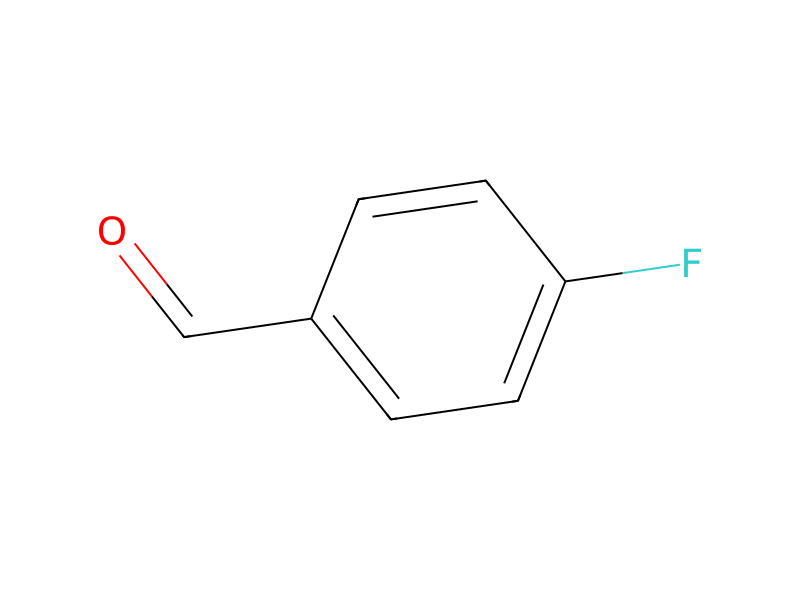
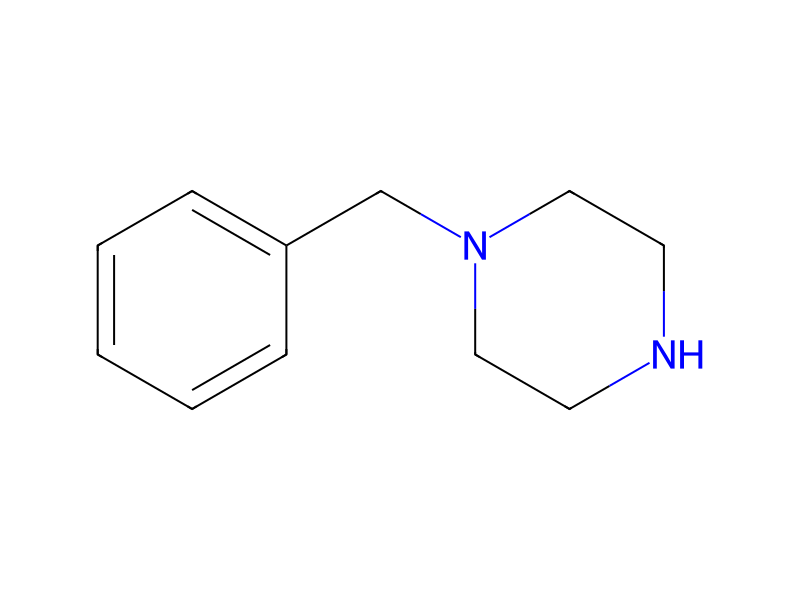
[CH2:1]([N:8]1[CH2:13][CH2:12][NH:11][CH2:10][CH2:9]1)[C:2]1[CH:7]=[CH:6][CH:5]=[CH:4][CH:3]=1.F[C:15]1[CH:22]=[CH:21][C:18]([CH:19]=[O:20])=[CH:17][CH:16]=1.C([O-])([O-])=O.[K+].[K+]>CN(C=O)C>[CH2:1]([N:8]1[CH2:13][CH2:12][N:11]([C:15]2[CH:22]=[CH:21][C:18]([CH:19]=[O:20])=[CH:17][CH:16]=2)[CH2:10][CH2:9]1)[C:2]1[CH:3]=[CH:4][CH:5]=[CH:6][CH:7]=1参加物
5



実験手順
Heat a mixture of 4-benzylpiperazine (5.0 mL, 28.8 mmol), 4-flurobenzaldehyde (3.1 mL, 28.8 mmol)) and anhydrous K2CO3 (5.96 g, 43.1 mmol)) in DMF (50 mL) to -150° C. overnight. Cool the mixture to room temperature, partition between water and ether (Et2O), and extract with Et2O. Combine the Et2O extracts, wash with water and brine, dry over anhydrous Na2SO4 and concentrate in vacuo to obtain 7.91 g (98%) of 4-(4-benzylpiperazin-1-yl)benzaldehyde as a yellow solid of sufficient purity to be employed in Example 1 without further purification.