Ethanol → HCID 23462873、化合物
HRID 2286394
反応式

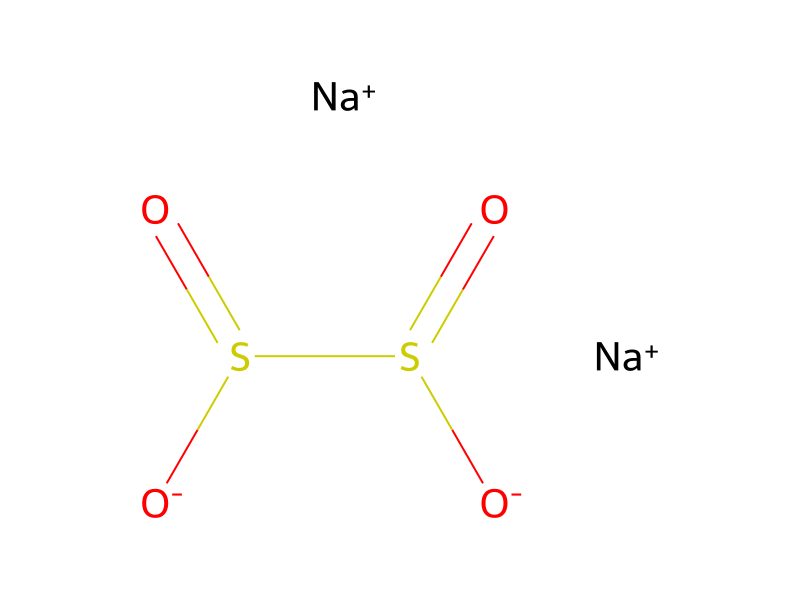
[CH3:1][N:2]1[CH2:8][CH2:7][C:6]2[C:9]([N+:20]([O-])=O)=[CH:10][CH:11]=[C:12]([S:13][C:14]3[CH:19]=[CH:18][CH:17]=[CH:16][CH:15]=3)[C:5]=2[CH2:4][CH2:3]1.C(O)C.S(S([O-])=O)([O-])=O.[Na+].[Na+]>O>[NH2:20][C:9]1[C:6]2[CH2:7][CH2:8][N:2]([CH3:1])[CH2:3][CH2:4][C:5]=2[C:12]([S:13][C:14]2[CH:15]=[CH:16][CH:17]=[CH:18][CH:19]=2)=[CH:11][CH:10]=1参加物
5




実験手順
To a solution of 15.7 g. (0.05 mole) of 3-methyl-9-nitro-6-phenylthio-2,3,4,5-tetrahydro-1H-3-benzazepine in 350 ml. of ethanol and 125 ml. of water is added, in portions, 35 g. (0.2 mole) of sodium hydrosulfite. The mixture is stirred and refluxed for 16 hours, then an additional 52 g. (0.3 mole) of sodium hydrosulfite is added and refluxing is continued for 30 hours, allowing about one-half of the solvent to distill from the reaction during the last hour. The mixture is cooled, diluted with water, made alkaline with ammonium hydroxide and extracted with ethyl acetate. After being dried, the extract is concentrated to give 9-amino-3-methyl-6-phenylthio-2,3,4,5-tetrahydro-1H-3-benzazepine which is purified by chromatography. A solution of the base in ethanol is treated with an excess of hydrogen chloride. Following addition of ether crystalline 9-amino-3-methyl-6-phenylthio-2,3,4,5-tetrahydro-1H-3-benzazepine dihydrochloride is obtained.