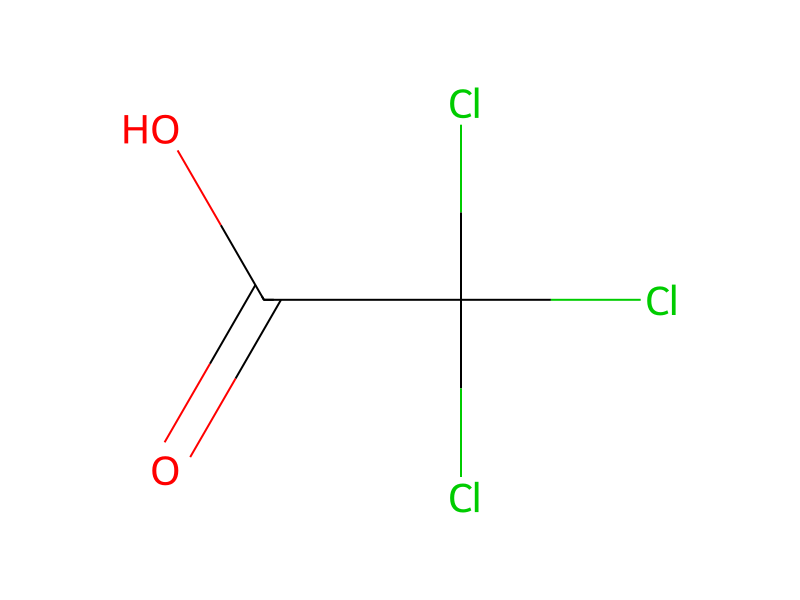
[CH2:1]1[CH:7]([OH:8])[NH:6][P:4]([N:9]([CH2:13][CH2:14][Cl:15])[CH2:10][CH2:11][Cl:12])(=[O:5])[O:3][CH2:2]1.[CH2:16]([O:18][C:19](=[O:22])[NH:20]O)[CH3:17].ClC(Cl)(Cl)C(O)=O>C(Cl)Cl>[CH2:16]([O:18][C:19](=[O:22])[NH:20][O:8][CH:7]1[CH2:1][CH2:2][O:3][P:4]([N:9]([CH2:13][CH2:14][Cl:15])[CH2:10][CH2:11][Cl:12])(=[O:5])[NH:6]1)[CH3:17]550 mg (2 mmol) of 4-hydroxycyclophosphamide and 210 mg (2 mmol) of ethylhydroxycarbamate (hydroxyurethane) are dissolved in 5 ml of dry methylenechloride free of alcohol. A catalytic amount of trichloroacetic acid and molecular sieve 4 A are added thereto. The reaction mixture is allowed to stand at -25° C. for 3 days. Thereafter, the molecular sieve is separated and washed once with a diluted solution of NaHCO3. The methylenechloride phase is dried over sodium sulfate and part of the solvent is evaporated in a vacuum and thereafter diluted with ether. After standing for 20 hours at -25° C., the separated crystals are filtered off, washed and dried.