反応式

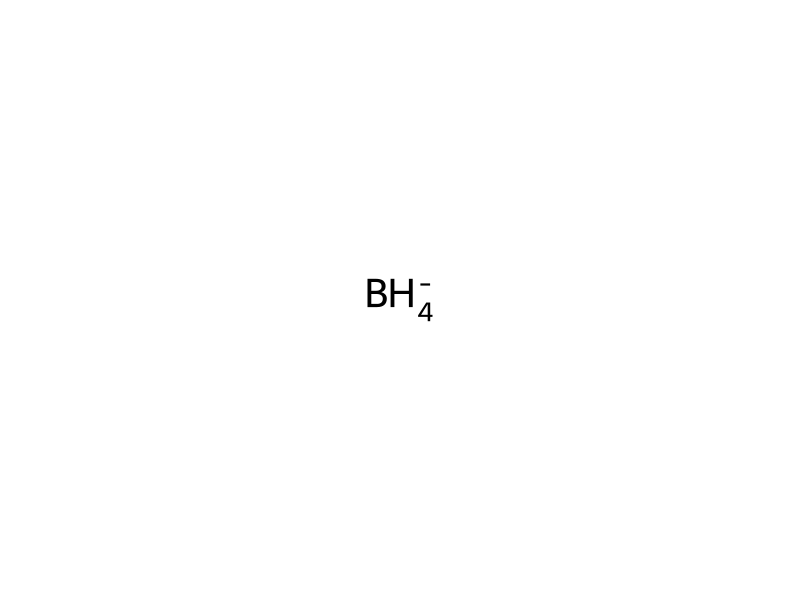
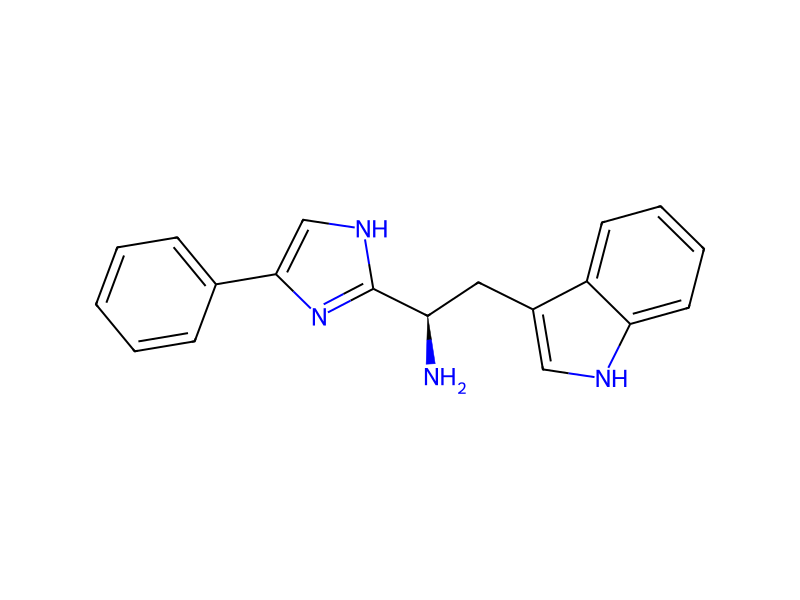
[NH2:1][C@@H:2]([C:13]1[NH:14][CH:15]=[C:16]([C:18]2[CH:23]=[CH:22][CH:21]=[CH:20][CH:19]=2)[N:17]=1)[CH2:3][C:4]1[C:12]2[C:7](=[CH:8][CH:9]=[CH:10][CH:11]=2)[NH:6][CH:5]=1.[BH4-].ClCCl.[CH3:28][OH:29]>>[CH3:28][O:29][C:9]1[CH:8]=[CH:7][C:12]([CH2:4][NH:1][C@@H:2]([C:13]2[NH:14][CH:15]=[C:16]([C:18]3[CH:23]=[CH:22][CH:21]=[CH:20][CH:19]=3)[N:17]=2)[CH2:3][C:4]2[C:12]3[C:7](=[CH:8][CH:9]=[CH:10][CH:11]=3)[NH:6][CH:5]=2)=[CH:11][CH:10]=1参加物
5



実験手順
2-{(1R)-1-Amino-2-[indol-3-yl]ethyl}-4-pheny-1H-imidazole (36.3 mg, 0.12 mmol) and panisaldehyde (12 μL, 0.1 mmol) in 1 mL of methanol were shaken for about 2 hours at about 22° C. Borohydride resin (76 mg, 2.5 mmol/g, AMBERLITE® IRA400) was then added and the slurry was stirred overnight before addition of dichloromethane (1 mL) and aldehyde Wang resin (31 mg, 3.22 mmol/g, Novabiochem). After about 8 hours of stirring, the slurry was then filtered and vaporated in vacuo to give a yellow solid (32.2 mg, 76%). 1H-NMR (CDCl3, 100 MHz) δ: 8.86 (br s, 1H); 7.73-6.68 (m, 15H); 4.62 (s, 1H); 4.33 (dd, J=4.7 and 8.5 Hz, 1H); 3.81 (s, 2H); 3.74 (s, 3H); 3.27 (ABX system, 2H); 2.26 (s, 1H). LC/MS: m/z=423 (M+H).
後処理
- filtrationthe slurry was then filtered
出典と根拠
- ORDレコード
- ord-db8ddef246e64d3b8fc240d8d9d6d19f
- 出典データセット
- uspto-grants-2005_02
- 特許番号
- US06852725B1
関連ノート
読み込み中…