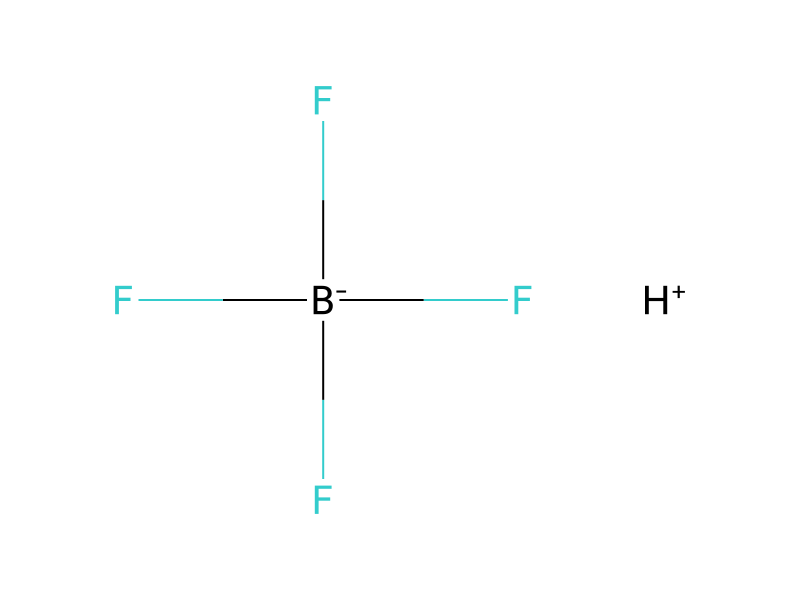
Using the procedure described in Tetrahedron Letters 31(38), 5507-08, [5-cloro-2-(2-hydroxy-ethyl)-3-methanesulfonyl-indol-1-yl]-acetonitrile (0.312 g, 1 mmole) was vigorously stirred in methylene chloride (4 ml) containing tetrafluoroboric acid (0.087 g, 1 mmole) while 0.5 ml of a 2N solution of TMSCHN2 in hexane was added dropwise at 0° C. over a 5 minute period. Three more portions of TMSCHN2 were added (0.25 ml each) similarly at 20 minute intervals. The solution was stirred for 30 minutes beyond the addition process at 0° C., poured into water, washed once with water, dried over magnesium sulfate, filtered and evaporated to dryness. The residue was purified by column chromatography (silica gel) using 1:1 hexane:ethyl acetate as the eluting solvent to afford [5-chloro-3-methanesulfonyl-2-(2-methoxy-ethyl)-indol-1-yl]-acetonitrile (0.138 g, 42% yield) as well as recovered starting material (0.160 g).