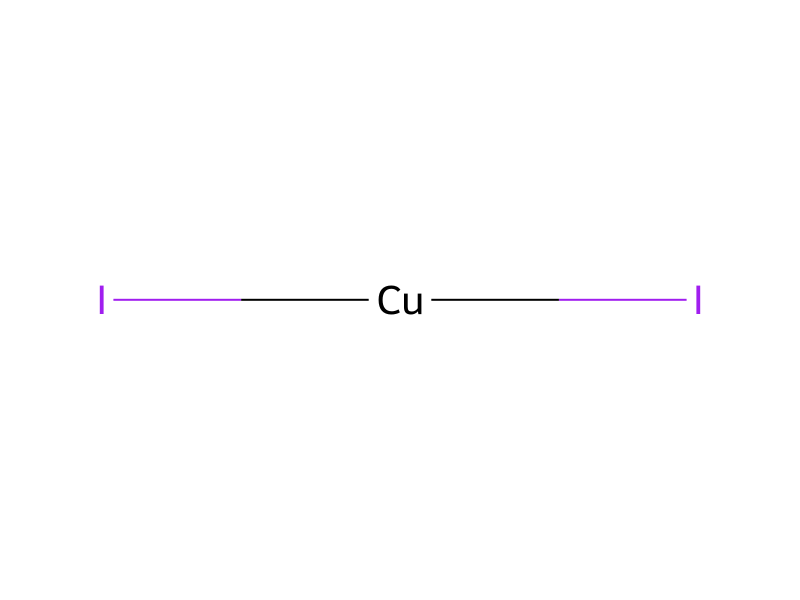
1 g of bis(triphenylphosphine)-palladium(II)-chloride, 3.8 g of copper(II)iodide and 8.7 g of triphenylphosphine were added in succession to a solution of 100 g of 4-bromofluorobenzene in 350 ml of triethylamine. This mixture was heated to the reflux temperature, after which 43.4 g of 3-butynol were added dropwise in the course of 20 minutes at this temperature (about 100° C.). Stirring was continued for a further 5 hours at this temperature. After cooling, the triethylamine was distilled off. The residue was taken up in methyl tertbutyl ether and water. The aqueous phase was extracted twice more with methyl tert-butyl ether and the combined organic extracts were washed in succession with 1N hydrochloric acid and with 10% strength sodium bicarbonate solution and was dried over sodium sulfate. After removal of the solvent, the crude product was distilled under greatly reduced pressure. Yield: 86%.