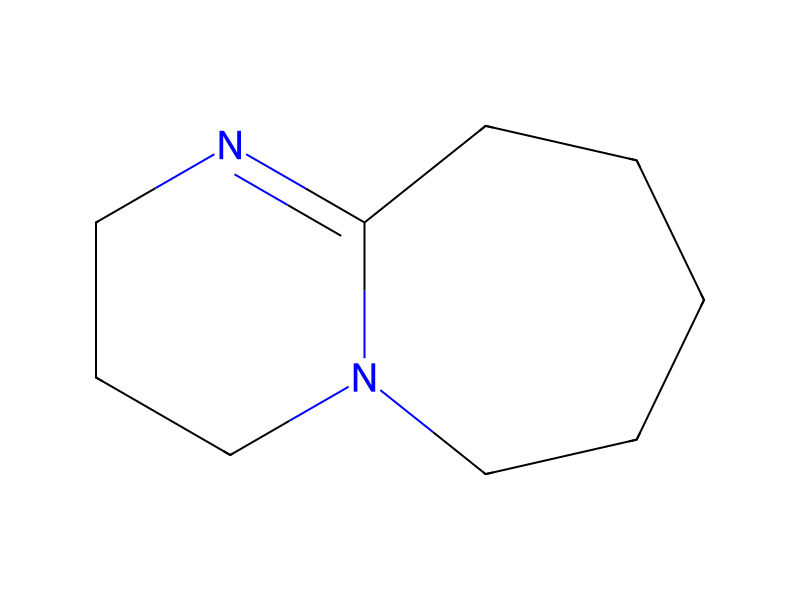
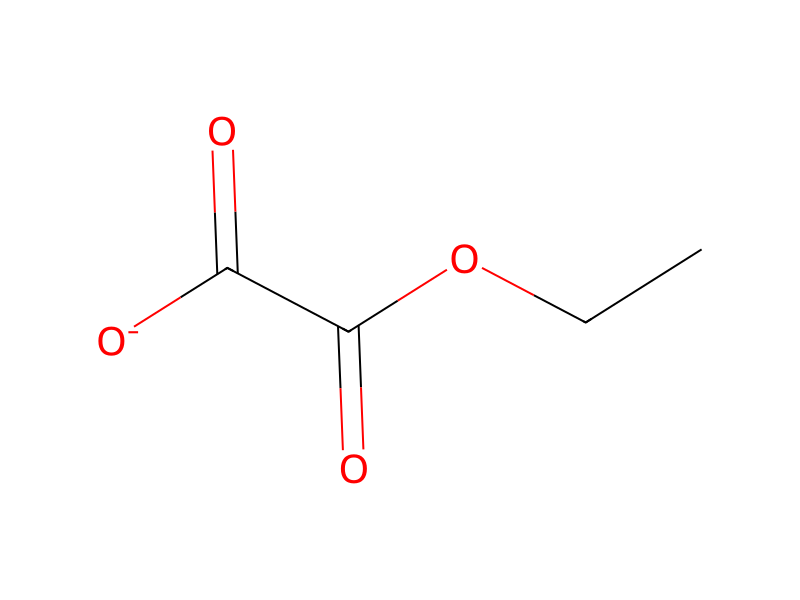
2 g (12.81 mmol) of 2-fluoro-4-methyl-5-nitropyridine and 9.36 g (32.03 mmol) of ethyl oxalate are placed in a 100 ml three-necked flask equipped with a magnetic stirrer and maintained under a flush of nitrogen. 2.11 ml (14.09 mmol) of 1,8-diazabicyclo-[5.4.0]undec-7-ene are then added to the reaction medium stirred at room temperature. The reaction mixture is then stirred at room temperature for 4 hours. A mixture of ethyl acetate (100 ml), water (40 ml) and acetic acid (2 ml) is then added. The mixture is extracted twice with ethyl acetate. The combined organic phases are washed with 100 ml of water and with 100 ml of saturated aqueous sodium chloride solution, dried over sodium sulfate and then concentrated under reduced pressure. The residue is purified by chromatography on a column of silica, eluting with a mixture of heptane and ethyl acetate. 1.53 g of product are thus isolated, and are used without further purification in the following step.