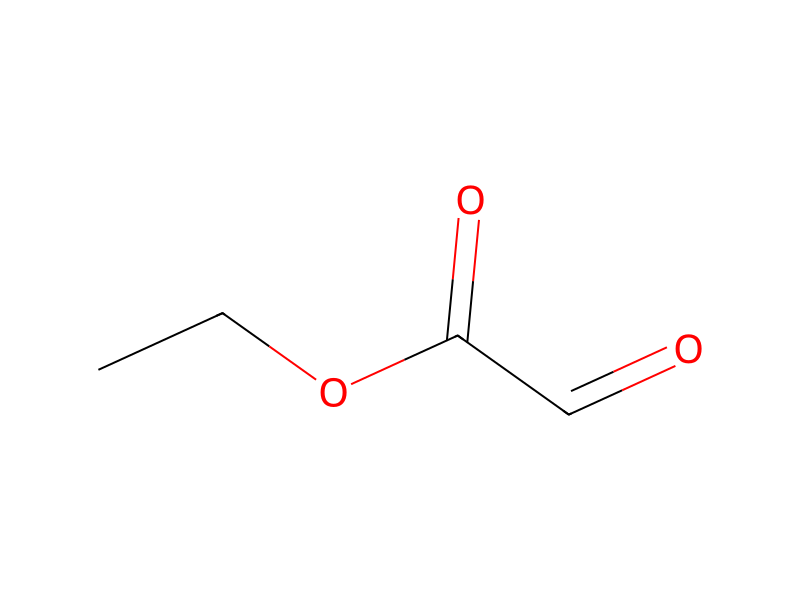
[NH2:1][CH:2]([CH3:32])[CH:3]([C:14]1[C:15]([CH3:31])=[C:16]([NH:20][C:21](=[O:30])[O:22][CH2:23][C:24]2[CH:29]=[CH:28][CH:27]=[CH:26][CH:25]=2)[CH:17]=[CH:18][CH:19]=1)[C:4]1[C:12]2[C:7](=[CH:8][C:9]([Br:13])=[CH:10][CH:11]=2)[NH:6][CH:5]=1.O=[CH:34][C:35]([O:37][CH2:38][CH3:39])=[O:36].C1(C)C=CC=CC=1.Cl>O1CCOCC1>[CH2:23]([O:22][C:21]([NH:20][C:16]1[C:15]([CH3:31])=[C:14]([CH:3]2[C:4]3[C:12]4[C:7](=[CH:8][C:9]([Br:13])=[CH:10][CH:11]=4)[NH:6][C:5]=3[CH:34]([C:35]([O:37][CH2:38][CH3:39])=[O:36])[NH:1][CH:2]2[CH3:32])[CH:19]=[CH:18][CH:17]=1)=[O:30])[C:24]1[CH:25]=[CH:26][CH:27]=[CH:28][CH:29]=1To a homogeneous solution of benzyl (3-(2-amino-1-(6-bromo-1H-indol-3-yl)propyl)-2-methylphenyl)carbamate (4.00 g, 8.12 mmol) in dioxane (200 mL) under nitrogen was added 50% ethyl 2-oxoacetate in toluene (3.22 mL, 16.3 mmol) followed by 4 M hydrochloric acid in 1,4-dioxane (4.06 mL, 16.3 mmol). The reaction mixture was stirred at room temperature overnight. The reaction mixture was concentrated under reduced pressure, and the residue was diluted with ethyl acetate (150 mL), washed with saturated aqueous sodium bicarbonate (75 mL), and washed with brine (75 mL). The organic layer was collected, and the aqueous layers were sequentially extracted with ethyl acetate (2×100 mL). The combined organic layers were dried over anhydrous sodium sulfate and concentrated under reduced pressure to give ethyl 4-(3-(((benzyloxy)carbonyl)amino)-2-methylphenyl)-7-bromo-3-methyl-2,3,4,9-tetrahydro-1H-pyrido[3,4-b]indole-1-carboxylate in a quantitative yield as a burgundy solid. The mixture was used in the next step without any further purification. LC/MS M+1=576.2 and 578.2.
読み込み中…