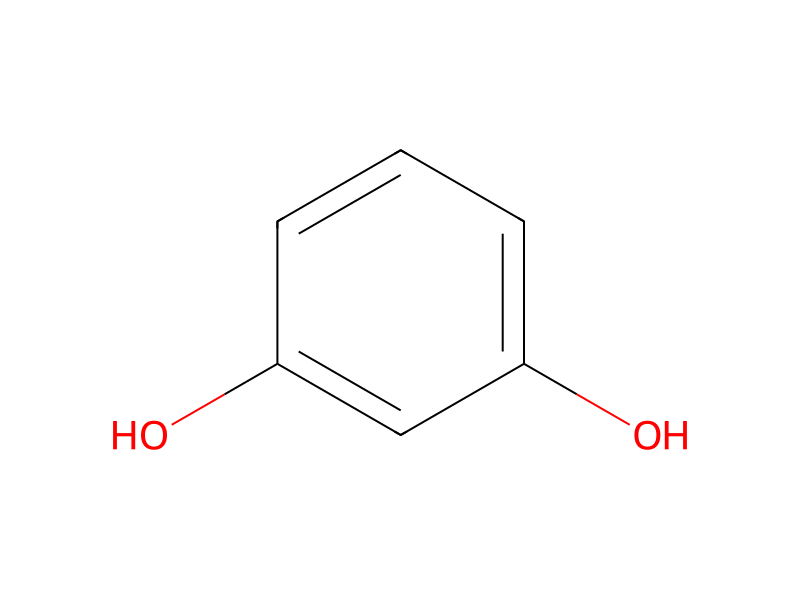
Resorcinol → 3-Hydroxy-8,9,10,11-tetrahydrobenzo[b]cyclohepta[d]pyran-6(7H)-one
反応式

[C:1]([CH:6]1[CH2:12][CH2:11][CH2:10][CH2:9][CH2:8][C:7]1=O)([O:3][CH2:4][CH3:5])=[O:2].[C:14]1([CH:21]=CC=[C:17](O)[CH:16]=1)[OH:15]>CS(O)(=O)=O>[OH:15][C:14]1[CH:21]=[C:4]2[C:5]([C:7]3[CH2:8][CH2:9][CH2:10][CH2:11][CH2:12][C:6]=3[C:1](=[O:2])[O:3]2)=[CH:17][CH:16]=1参加物


実験手順
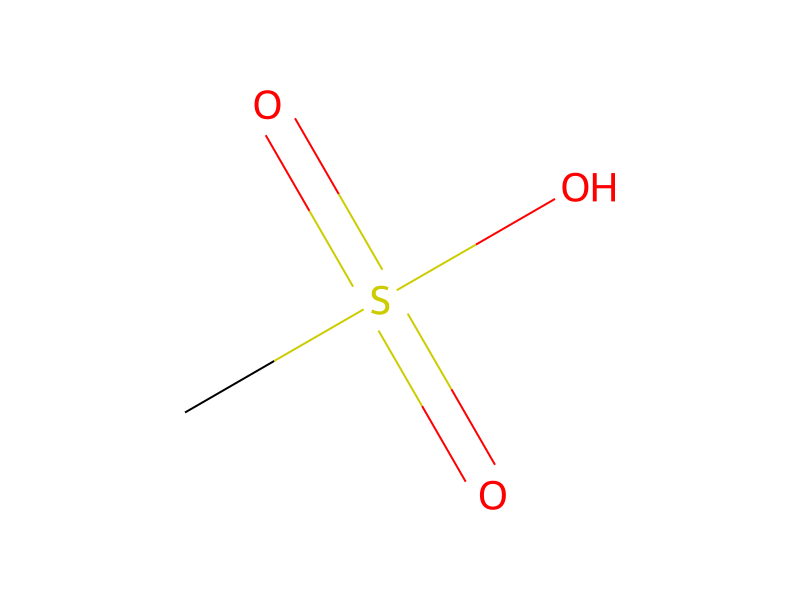
The first stage consists of condensing 2-carbetoxycycloheptanone with resorcinol in methanesulphonic acid, the reaction is taken to 25° C. for 4 hours. The intermediate 3-hydroxy-8,9,10,11-tetrahydrocyclohepta[c]chromen-6(7H)-one thus formed precipitates by adding ethanol then water then it is isolated by filtration, dried under vacuum at 60° C. and a yield of 78% is obtained. In a second stage, sulphonylisocyanate chloride is converted, in toluenic solution, to sulphamoyl chloride by the action of the formic acid, then condensed with the previous intermediate dissolved in N,N-dimethylacetamide (DMA). The reaction medium is treated with water and extracted with 2-methyltetrahydrofurane (2-MeTHF). The crude compound 1 is then obtained by filtration of the precipitate obtained by adding methylcyclohexane to the organic phase. Finally, pure compound 1 is obtained by recrystallization of the crude product by dissolution in acetone while hot and precipitation by adding methylcyclohexane (the addition of the antisolvent methylcyclohexane having the main purpose of increasing the yield).
出典と根拠
- ORDレコード
- ord-588f76239d21446fa0c57ab63196fbc3
- 出典データセット
- uspto-grants-2014_04
- 特許番号
- US08691281B2
反応ノート
読み込み中…