反応式

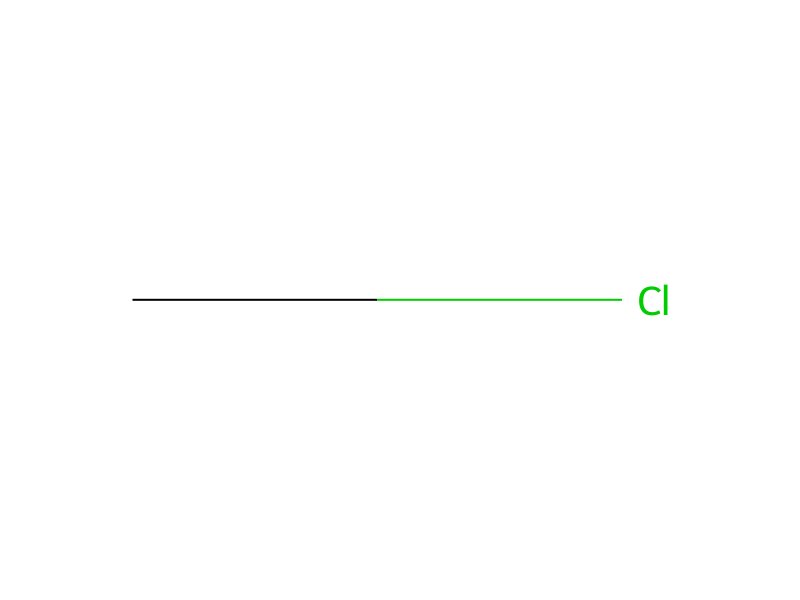
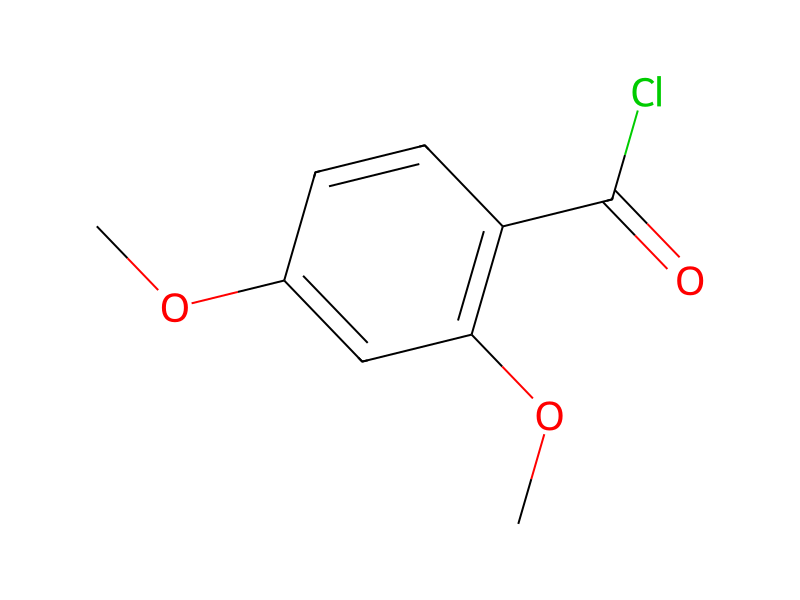
[CH3:1][O:2][C:3]1[CH:11]=[C:10]([O:12][CH3:13])[CH:9]=[CH:8][C:4]=1[C:5](Cl)=[O:6].C[O:15][P:16]1[C:21]2[CH:22]=[CH:23][CH:24]=[CH:25][C:20]=2[C:19]2[CH:26]=[CH:27][CH:28]=[CH:29][C:18]=2[O:17]1.CCl>C1(C)C=CC=CC=1>[CH3:1][O:2][C:3]1[CH:11]=[C:10]([O:12][CH3:13])[CH:9]=[CH:8][C:4]=1[C:5]([P:16]1(=[O:15])[C:21]2[CH:22]=[CH:23][CH:24]=[CH:25][C:20]=2[C:19]2[CH:26]=[CH:27][CH:28]=[CH:29][C:18]=2[O:17]1)=[O:6]参加物
5



反応条件
- 温度
- 110 °C
実験手順
35.1 g (0.175 mol) of 2,4-dimethoxybenzoyl chloride were warmed to 70° C. under a nitrogen atmosphere. 40.3 g (0.175 mol) of 6-methoxy-(6H)-dibenz[c,e][1,2]oxaphosphorin were added dropwise in the course of two hours while stirring. The temperature was then slowly increased to 110° C. It was kept at this temperature until evolution of methyl chloride could no longer be detected. After cooling to 60° C., 70 ml of toluene were added. After crystallization, 50 g (75% of theory) of the abovementioned compound of melting point 112° to 115° C. were obtained.
後処理
- temperatureAfter cooling to 60° C.
- customAfter crystallization, 50 g (75% of theory) of the abovementioned compound of melting point 112° to 115° C.
- customwere obtained
出典と根拠
- ORDレコード
- ord-a4abe4278b5547bf9a6693bb97c0f528
- 出典データセット
- uspto-grants-1992_03
- 特許番号
- US05096935
関連ノート
読み込み中…