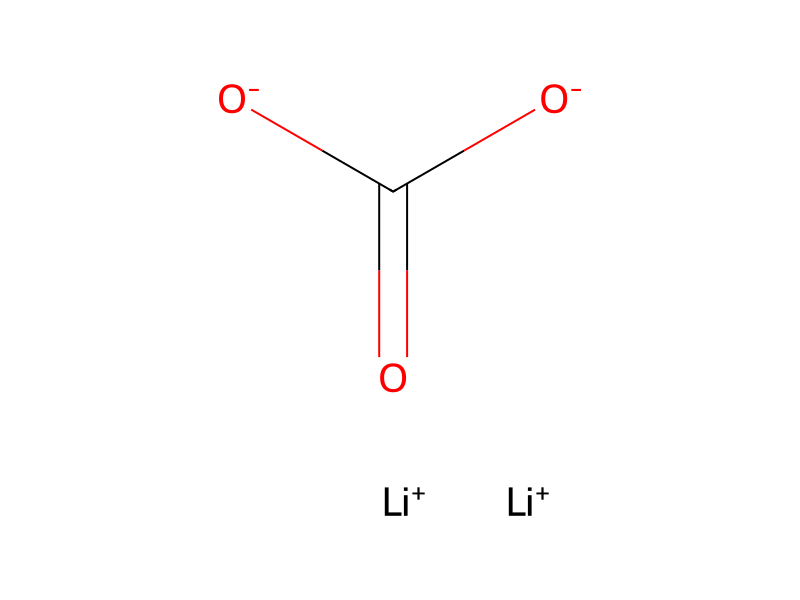
[NH:1]1[CH:5]=[N:4][CH:3]=[N:2]1.[F:6][C:7]1[CH:12]=[CH:11][CH:10]=[CH:9][C:8]=1[C@@:13]1([CH2:17][N:18]2[CH:22]=[N:21][CH:20]=[N:19]2)[C@H:15]([CH3:16])[O:14]1.C(=O)([O-])[O-].[Li+].[Li+].CN(C)C=O>C(OCC)(=O)C>[N:18]1([CH2:17][C@@:13]([C:8]2[CH:9]=[CH:10][CH:11]=[CH:12][C:7]=2[F:6])([OH:14])[C@H:15]([N:1]2[CH:5]=[N:4][CH:3]=[N:2]2)[CH3:16])[CH:22]=[N:21][CH:20]=[N:19]1A mixture of 1H-1,2,4-triazole (1.17 g), (2R,3S)-2-(2-fluorophenyl)-3-methyl-2-[(1H-1,2,4-triazol-1-yl)methyl]oxirane (2 g), lithium carbonate (6.32 g) and dimethylformamide (40 ml) was stirred for 24 hours at 110° C. After cooling, to the mixture was added ethyl acetate (50 ml). The mixture was filtered to remove insoluble substances. The filtrate was distilled under reduced pressure. The residue was dissolved in ethyl acetate (100 ml). The mixture was washed with saturated saline (30 ml×2). The ethyl acetate layer was dried over anhydrous magnesium sulfate and distilled under reduced pressure. The residue was purified by silica gel chromatography (silica gel 50 g, eluent: ethyl acetate/acetone=4:1) to give (2R,3R)-1,3-bis(1H-1,2,4-triazol-1-yl)-2-(2-fluorophenyl)-2-butanol (1.32 g).