5-(Chloroacetyl)-8-methoxy-1-methylquinolin-2(1H)-one → 1-Methyl-5-isopropylaminoacetyl-8-hydroxycarbostyril
HRID 2397584
反応式

[CH3:1][N:2]1[C:12]2[C:7](=[C:8]([C:15](=[O:18])[CH2:16]Cl)[CH:9]=[CH:10][C:11]=2[O:13]C)[CH:6]=[CH:5][C:3]1=[O:4]>CC(O)CN>[CH3:1][N:2]1[C:12]2[C:7](=[C:8]([C:15](=[O:18])[CH2:16][NH:2][CH:12]([CH3:7])[CH3:11])[CH:9]=[CH:10][C:11]=2[OH:13])[CH:6]=[CH:5][C:3]1=[O:4]参加物
3


実験手順
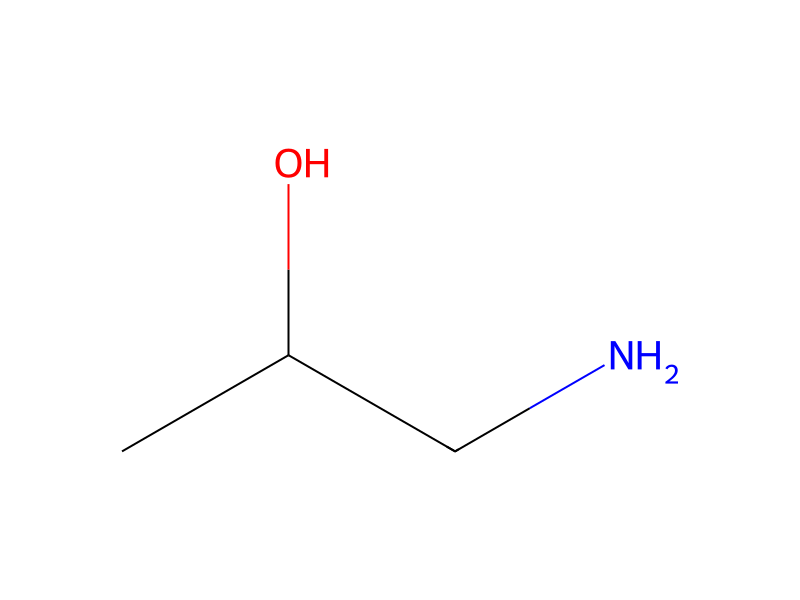
10 ml of isopropanolamine (III) was added to 1.6 g of 1-methyl-5-chloroacetyl-8-hydroxycarbostyril (IV) prepared as described in Example 2, and the mixture was allowed to react at a temperature of 35° C. for 2 hours while stirring. The reaction mixture was concentrated under reduced pressure, and the residue was distilled azeotropically with ethanol to dryness. The resulting residue was dissolved in 20 ml of ethanol, and the solution was filtered to recover the insoluble material which was then dissolved in hot ethanol. The solution was adjusted to a pH of 2-3 with concentrated hydrochloric acid and cooled with ice. The precipitate formed was filtered and dissolved in 20 ml of water. The solution was adjusted to a pH of 6.5-7.5 with sodium bicarbonate and the precipitate formed was filtered and recrystallized from ethanol to obtain 1.1 g of white amorphous 1-methyl-5-isopropylaminoacetyl-8-hydroxycarbostyril (IIa) having a melting point of 136° to 138° C. (with decomposition).