1-(2,4-Bis-trifluoromethyl-benzyl)-3-iodo-1H-indazole-5-carbaldehyde → 1-[2,4-bis(trifluoromethyl)benzyl]-3-cyano-1H-indazol-5-carbaldehyde
HRID 2400971
反応式

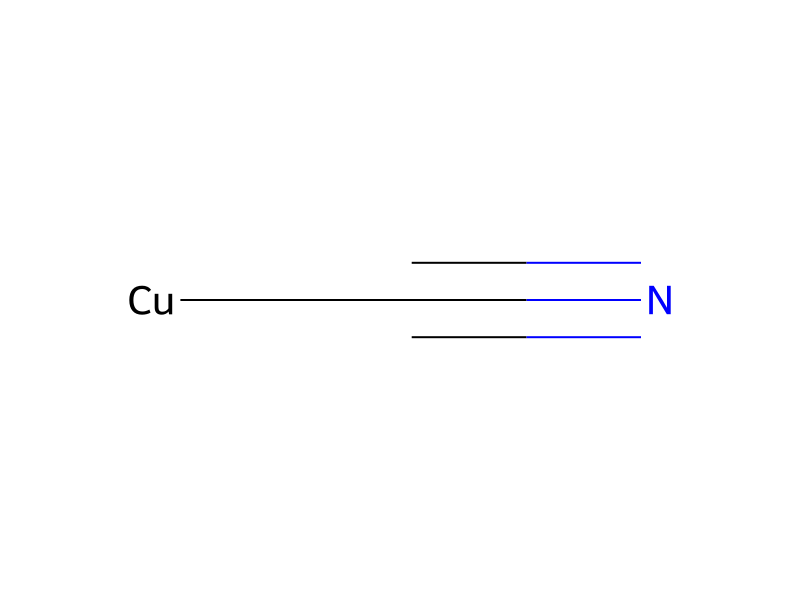
[F:1][C:2]([F:27])([F:26])[C:3]1[CH:21]=[C:20]([C:22]([F:25])([F:24])[F:23])[CH:19]=[CH:18][C:4]=1[CH2:5][N:6]1[C:14]2[C:9](=[CH:10][C:11]([CH:15]=[O:16])=[CH:12][CH:13]=2)[C:8](I)=[N:7]1.[C:28]([Cu])#[N:29]>CN(C=O)C>[F:1][C:2]([F:27])([F:26])[C:3]1[CH:21]=[C:20]([C:22]([F:25])([F:24])[F:23])[CH:19]=[CH:18][C:4]=1[CH2:5][N:6]1[C:14]2[C:9](=[CH:10][C:11]([CH:15]=[O:16])=[CH:12][CH:13]=2)[C:8]([C:28]#[N:29])=[N:7]1