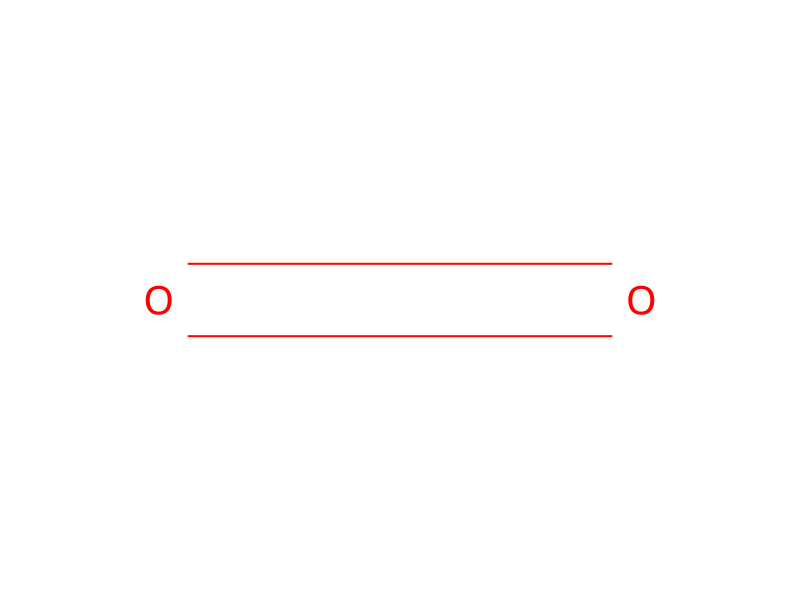
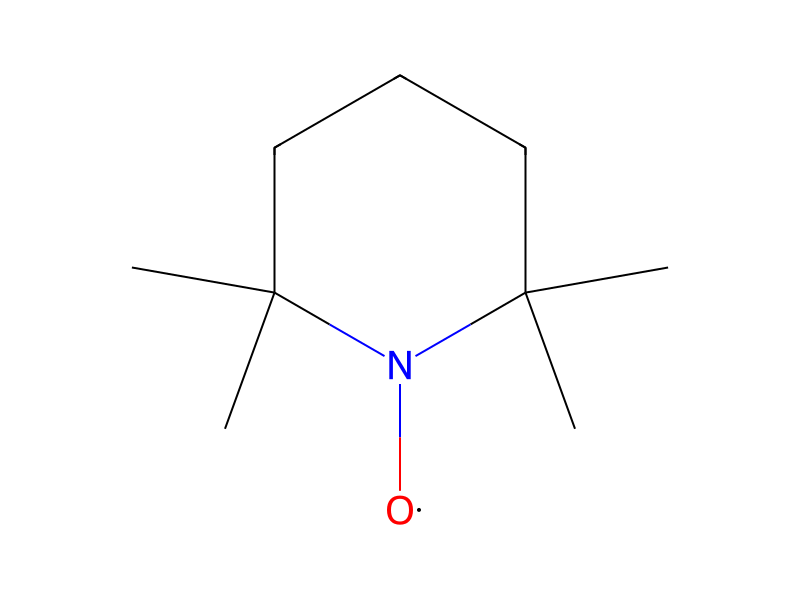
N([O-])=O.[Na+].CC1(C)N([O])C(C)(C)CCC1.CC(O[Na])=[O:18].[F:21][C:22]([F:45])([CH:25]([F:44])[C:26]([F:43])([F:42])[O:27][C:28]([F:41])([F:40])[C:29]([F:39])([F:38])[C:30]([F:37])([F:36])[O:31][C:32]([F:35])([F:34])[F:33])[CH2:23][OH:24].O=O>C(O)(=O)C>[F:21][C:22]([F:45])([CH:25]([F:44])[C:26]([F:43])([F:42])[O:27][C:28]([F:40])([F:41])[C:29]([F:38])([F:39])[C:30]([F:36])([F:37])[O:31][C:32]([F:33])([F:34])[F:35])[C:23]([OH:18])=[O:24]80 mL of acetic acid, 0.32 g sodium nitrite, TEMPO (0.24 g), CH3CO2Na (1.13 g) and 8 g of 2,2,3,4,4-pentafluoro-4-(1,1,2,2,3,3-hexafluoro-3-trifluoromethoxy-propoxy)-butan-1-ol were placed in a 200 mL glass flask equipped with a balloon containing molecular oxygen, a reflux condenser and a stirrer. The balloon was opened such that a gentle flow of oxygen was generated. The mixture was stirred for 16 hr at 60° C. upon which the mixture was acidified to pH 1 to 2 and extracted with diethyl ether (three times). The combined organic phases were washed with water and dried over magnesium sulphate. The solvent was removed at a rotary evaporator and the residue was distilled to give 5.89 g of acid (1.6 mmHg, 65° C.). Yield: 71%.