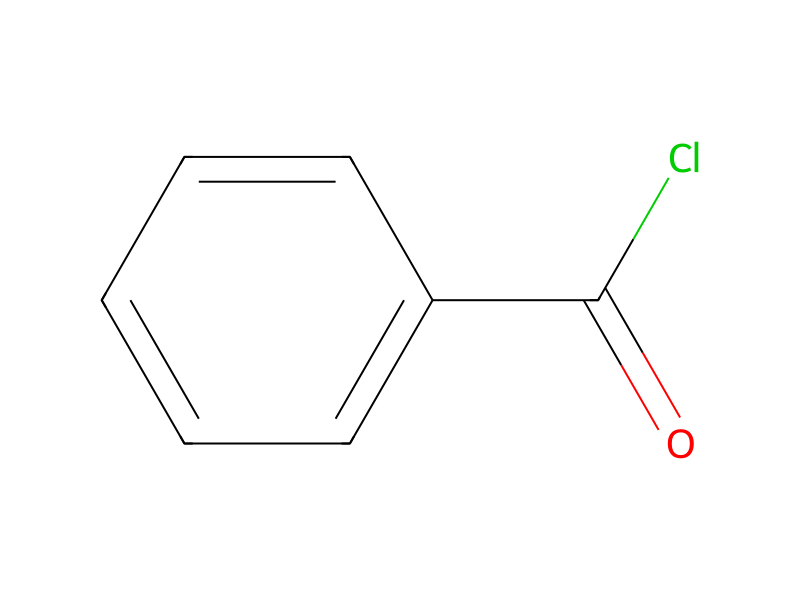
To a solution of ammonium thiocyanate (0.4 g, 5.0 mmol) in acetone (5 mL) was slowly added benzoyl chloride (0.6 mL, 5.0 mmol) and the suspension was heated to reflux for ten minutes. A solution of 6-bromo-2-chloro-3-pyridinamine (1.0 g, 4.8 mmol) in acetone (10 mL) was then added and the reaction mixture was refluxed for one hour. After cooling to room temperature the mixture was poured into water and partitioned with ethyl acetate (250 mL). The layers were separated and the aqueous layer was further extracted with ethyl acetate (2×, 100 mL). The combined organic layers were washed with brine (2×, 100 mL), dried over sodium sulfate, filtered and concentrated until a suspension formed. The white solid was collected by filtration to give N-(6-bromo-2-chloropyridin-3-ylcarbamothioyl)benzamide (1.6 g, 89%). 1H NMR (400 MHz, d6-DMSO): 12.62 (br s, 1H), 12.00 (br s, 1H), 8.37 (d, 1H), 8.00 (2d, 2H), 7.79 (d, 1H), 7.69 (t, 1H), 7.57 (t, 2H). MS (EI) for C13H9BrClN3OS: 370 (MH+).