反応式

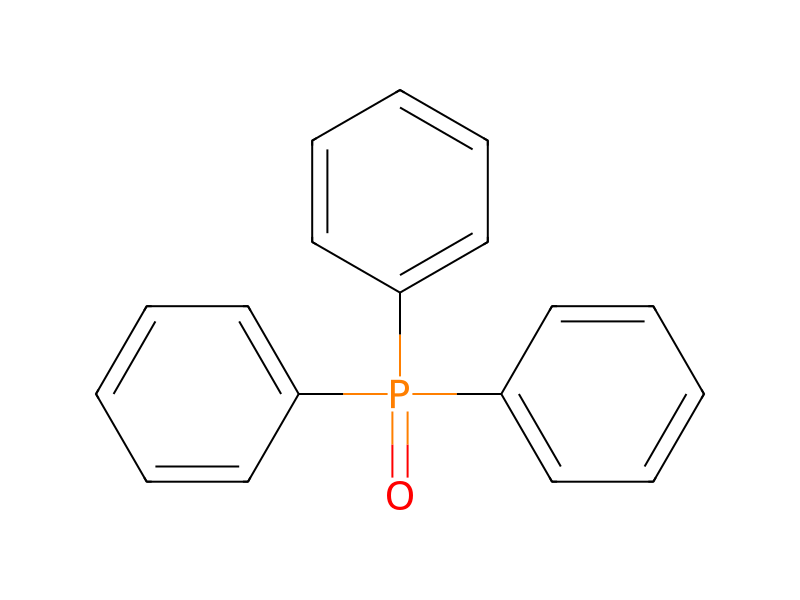
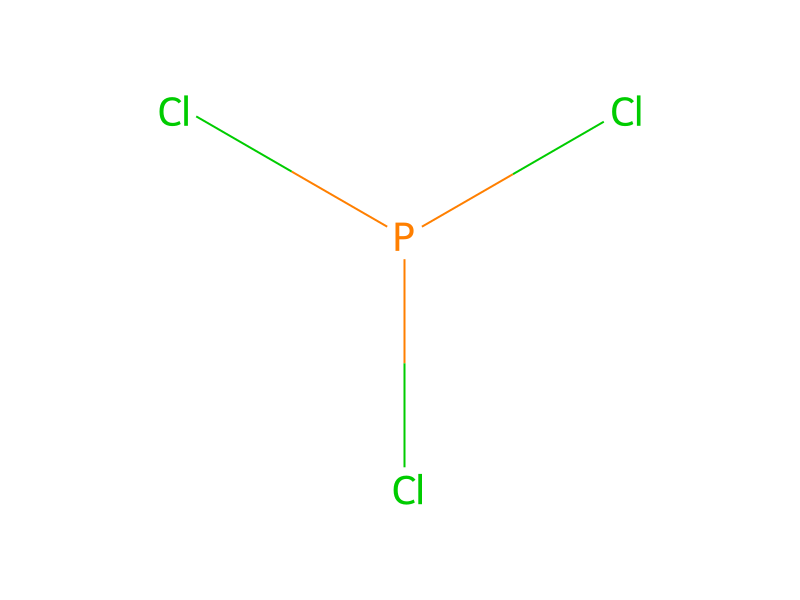
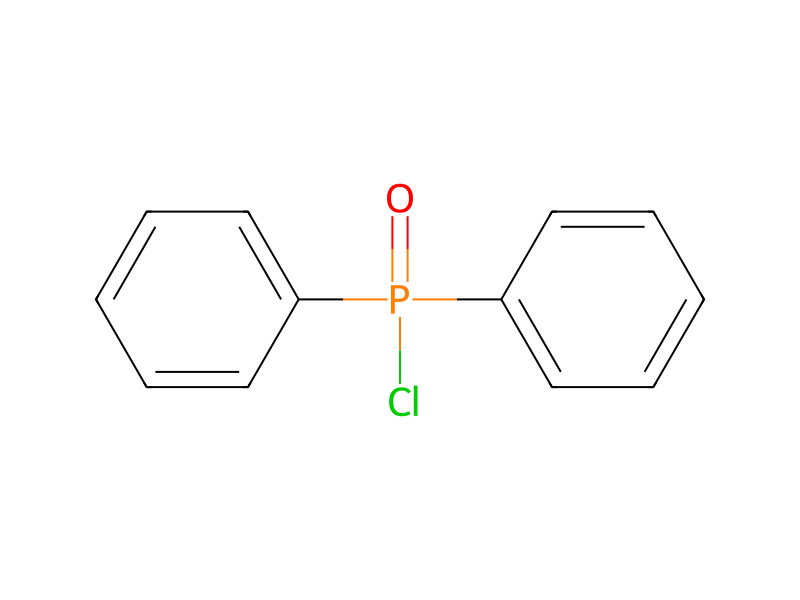
C1(P(=O)(C2C=CC=CC=2)C2C=CC=CC=2)C=CC=CC=1.P(Cl)(Cl)Cl.[Cl:25][P:26](=[O:39])([C:33]1[CH:38]=[CH:37][CH:36]=[CH:35][CH:34]=1)[C:27]1[CH:32]=[CH:31][CH:30]=[CH:29][CH:28]=1.ClP(Cl)C1C=CC=CC=1>>[Cl:25][P:26](=[O:39])([C:33]1[CH:34]=[CH:35][CH:36]=[CH:37][CH:38]=1)[C:27]1[CH:32]=[CH:31][CH:30]=[CH:29][CH:28]=1.[Cl:25][P:26]([C:33]1[CH:34]=[CH:35][CH:36]=[CH:37][CH:38]=1)[C:27]1[CH:32]=[CH:31][CH:30]=[CH:29][CH:28]=1参加物


実験手順
In the case where X=0 and m=3 in the compounds of the formula (A), the compound is triphenylphosphine oxide, when n=3 in the compounds of the formula (B), the result is phosphorus trichloride. The reaction of triphenylphosphine oxide with phosphorus trichloride initially gives chloro(diphenyl)phosphine oxide (=diphenylphosphinic chloride) and dichloro(phenyl)phosphine: ##STR2## The dichloro(phenyl)phosphine can react with further triphenylphosphine oxide to give chloro(diphenyl)phosphine oxide (=diphenylphosphinic chloride) and chloro(diphenyl)phosphine: ##STR3## The more phenyl groups in the starting compounds (A) and the more Cl in the other starting compounds (B), the better the reaction takes place. No exemplary embodiment of the reaction of, for example, dichloro(phenyl)phosphine oxide (=compound of the formula (A) with X=0 and m=1; =phenylphosphonic dichloride) with chloro(diphenyl)phosphine (=compound of the formula B) with n=1) is contained in the German patent.
出典と根拠
- ORDレコード
- ord-cab7c2b4669e423d869c973f0dff93c5
- 出典データセット
- uspto-grants-1987_11
- 特許番号
- US04708824
関連ノート
読み込み中…