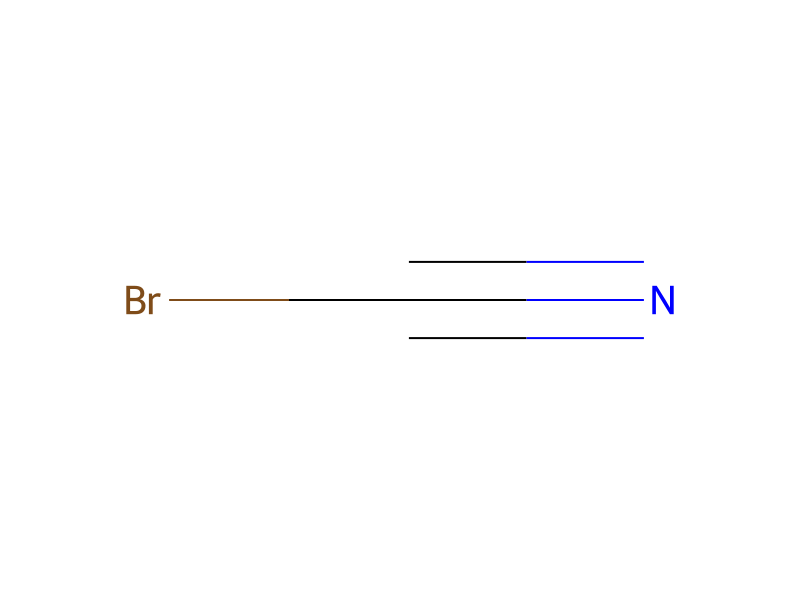
Add tin(II) chloride dihydrate (245.5 g, 1.09 mol) to a solution of N-[isobutyl]2-nitro-5-bromoaniline (49.5 g, 0.180 mol) in 2:1 ethyl acetate:ethanol (900 mL). Stir at 70° C. for 2 hours. Pour the reaction mixture into a slurry of ice in water and treat with saturated aqueous sodium bicarbonate. Add ethyl acetate (250 mL) and wash the organic phase sequentially with water (2×600 mL) and saturated aqueous sodium chloride (2×600 mL). Dry over magnesium sulfate and concentrate under reduced pressure. Dissolve the residue in ethanol (600 mL). Add cyanogen bromide (32.6 g, 0.31 mol) and stir at room temperature for 15 hours. Add saturated aqueous sodium carbonate (500 mL) and extract with ethyl acetate (600 mL). Wash the organic phase sequentially with water (2×400 mL) and saturated aqueous sodium chloride (2×400 mL). Dry over magnesium sulfate and concentrate under reduced pressure. Suspend the residue in diethyl ether (300 mL), stir for 15 minutes, filter, and dried under reduced pressure to provide the desired compound as a light brown solid (41.7 g, 86% yield).