反応式

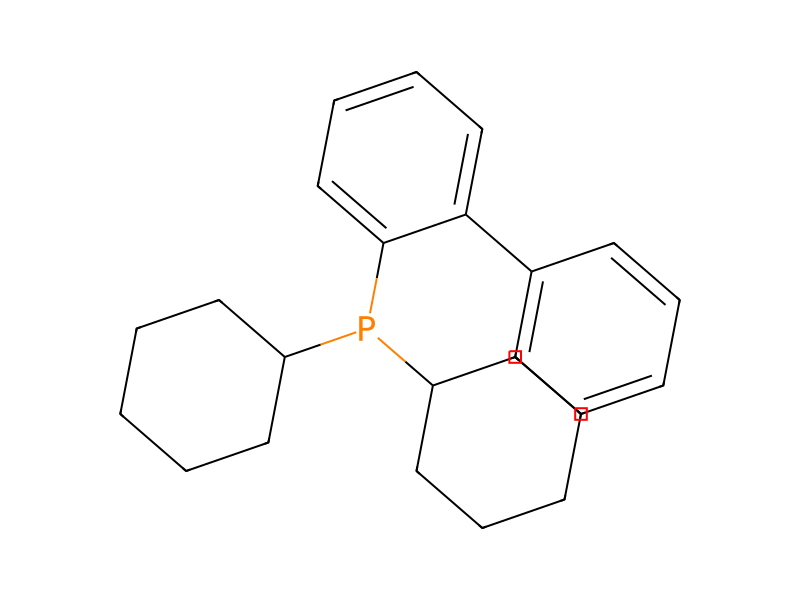
Brc1cncc(Br)c1.CNc1ccc(F)cc1>CC(C)(C)[O-].Cc1ccccc1.O=C(/C=C/c1ccccc1)/C=C/c1ccccc1.O=C(/C=C/c1ccccc1)/C=C/c1ccccc1.O=C(/C=C/c1ccccc1)/C=C/c1ccccc1.[K+].[Pd].[Pd].c1ccc(-c2ccccc2P(C2CCCCC2)C2CCCCC2)cc1>CN(c1ccc(F)cc1)c1cncc(Br)c1参加物
反応物 2


生成物 1

試薬・触媒・溶媒 4



反応条件
- 温度
- 110 °C
実験手順
In a 50 mL round-bottomed flask (t=g) was 4-fluoro-N-methylaniline (1 g, 7.99 mmol), 3,5-dibromopyridine (2.272 g, 9.59 mmol), and Pd2(dba)3 (0.366 g, 0.40 mmol) in toluene (16 mL) ([VOLUME]) to give a purple suspension. biphenyl-2-yldicyclohexylphosphine (0.420 g, 1.20 mmol) and KOtBu (1.166 g, 10.39 mmol) were added. Reaction was allowed to stir for 1.5 hours at which point LC/MS was taken which indicated that all the dibromopyridine had been consumed. Reaction was quenched by addition of excess ammonium chloride. Mixture was filtered though a plug of celite, extracted with ethyl acetate. The organic fractions were collected and washed with water, then dried over NaSO4, rotovapped down to an oil, redissolved in DCM then purified over a 120g column using 5 minutes of pure hexane, followed by a 0-50% EtOAc gradient (product comes off at around 35%). The relevant fractions were collected and rotovapped down yielding the product as an oil.
出典と根拠
- ORDレコード
- ord-49953a76cfae45059ad30fb1a9e6e7be
- 出典データセット
- 750 AstraZeneca ELN dataset
- 元リンク
- 出典を表示
関連ノート
読み込み中…