Tert-Butylamine → HCID 19032352、化合物
HRID 266156
反応式

Cl[CH2:2][C:3]1[N:12]=[C:11]([C:13]2[CH:18]=[CH:17][C:16]([O:19][CH3:20])=[C:15]([O:21][CH3:22])[CH:14]=2)[C:10]2[C:5](=[CH:6][C:7]([O:25][CH3:26])=[C:8]([O:23][CH3:24])[CH:9]=2)[N:4]=1.[C:27]([NH2:31])([CH3:30])([CH3:29])[CH3:28]>ClCCl>[C:27]([NH:31][CH2:2][C:3]1[N:12]=[C:11]([C:13]2[CH:18]=[CH:17][C:16]([O:19][CH3:20])=[C:15]([O:21][CH3:22])[CH:14]=2)[C:10]2[C:5](=[CH:6][C:7]([O:25][CH3:26])=[C:8]([O:23][CH3:24])[CH:9]=2)[N:4]=1)([CH3:30])([CH3:29])[CH3:28]参加物
4
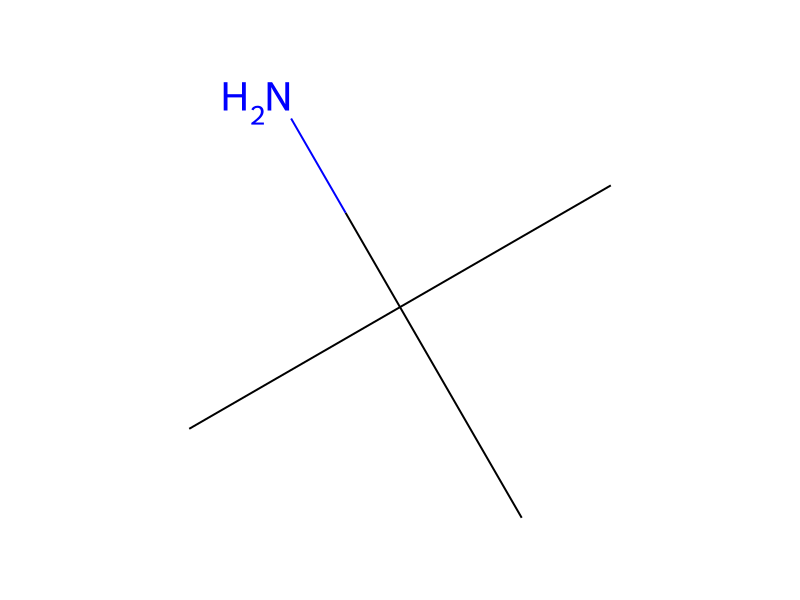



実験手順
A mixture of 2-chloromethyl-4-(3,4-dimethoxyphenyl)-6,7-dimethoxyquinazoline (1.78 g), tert-butylamine (17.4 g) and dichloromethane (40 ml) was stirred at room temperature for 13 hours. The reaction mixture was washed with water, dried over magnesium sulfate, and concentrated under reduced pressure. The residue was subjected to column chromatography on silica gel. The fractions eluted with dichloromethane-ethanol (30:1, v/v) gave 2-(tert-butylaminomethyl)-4-(3,4-dimethoxyphenyl)-6,7-dimethoxyquinazoline (0.77 g, 40%). This compound was recrystallized from ethyl acetate - hexane. Colorless prisms, mp. 120°-122° C.